
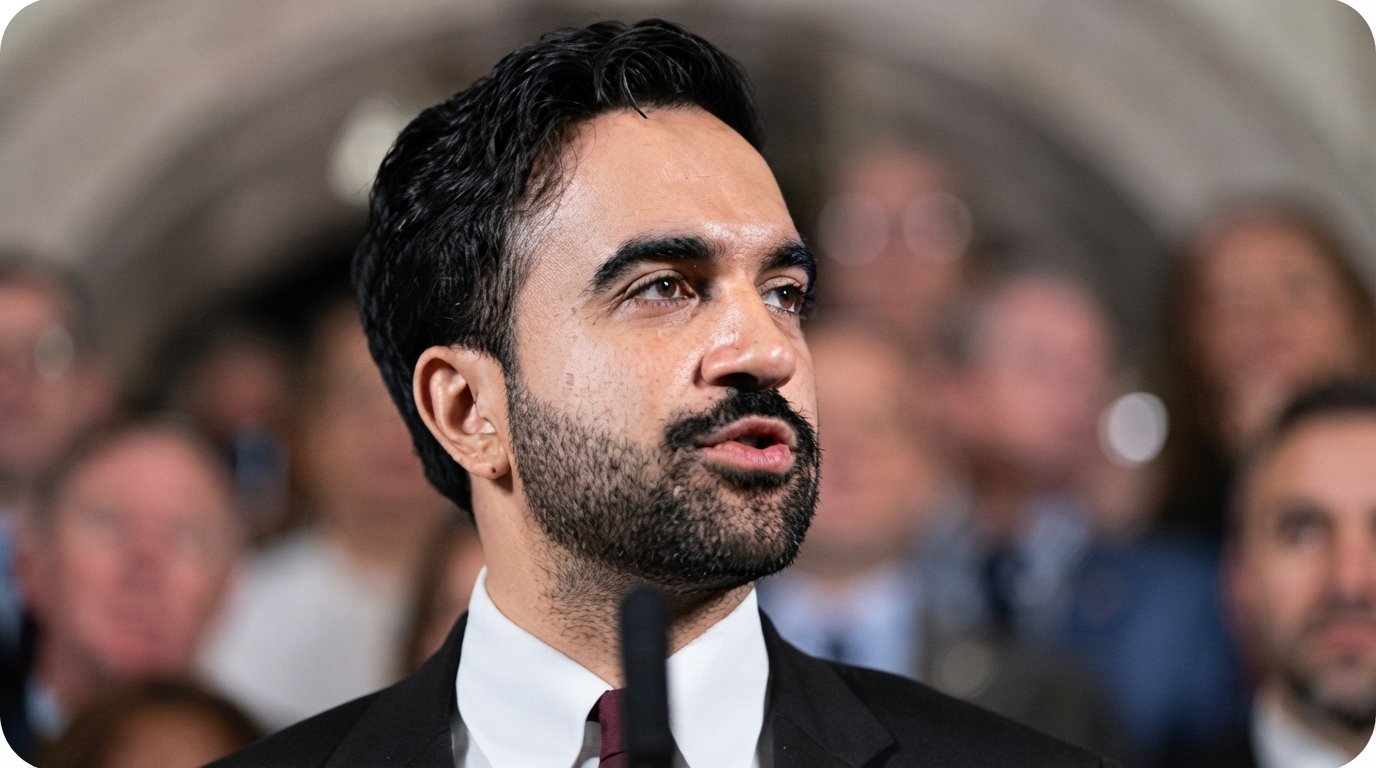
Twenty-five years after the September 11, 2001 attacks, the release of the 9/11 Toxic Air Documents has renewed questions about what New York City officials knew about air dangers around Ground Zero. The records could offer new details about the city’s response to toxic conditions after the World Trade Center collapsed.
New York Mayor Zohran Mamdani announced the release of tens of thousands of documents about air quality, health risks and the city’s response after the attacks. The records could reveal how officials handled information about potentially toxic conditions in Lower Manhattan and parts of Western Brooklyn.
What Do the 9/11 Toxic Air Documents Include?
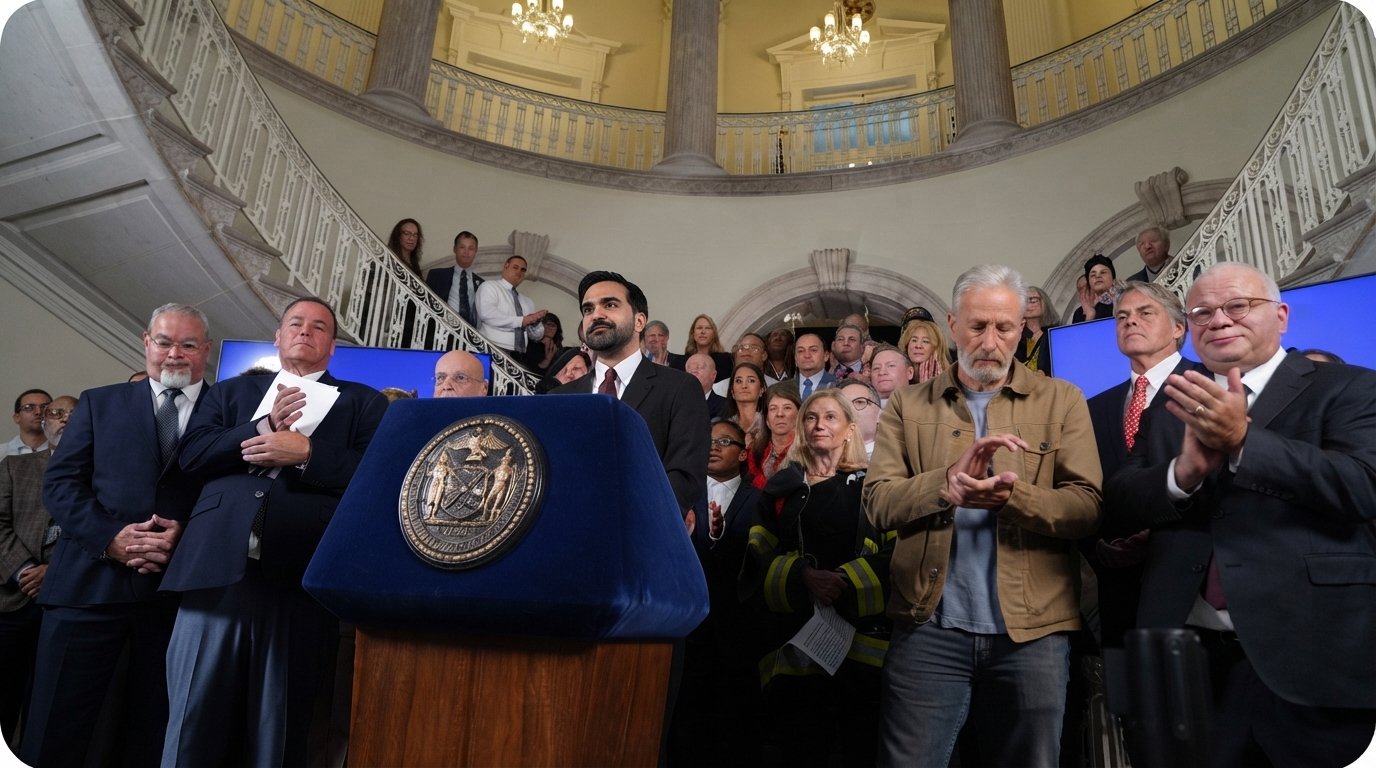
New York City officials have released roughly 170,000 pages of documents related to the aftermath of the attacks. The city expects to publish more records in stages over the next year.
The documents reportedly cover health concerns, air-quality risks, internal discussions and the city’s response to environmental conditions after the World Trade Center collapse.
The release follows an agreement with 9/11 Health Watch, a victims’ advocacy organization. The group pursued legal action to compel the city to make the records public.
Why Do These Toxic Air Records Matter?
The central question involves what city officials knew about the air around Ground Zero and when they received that information.
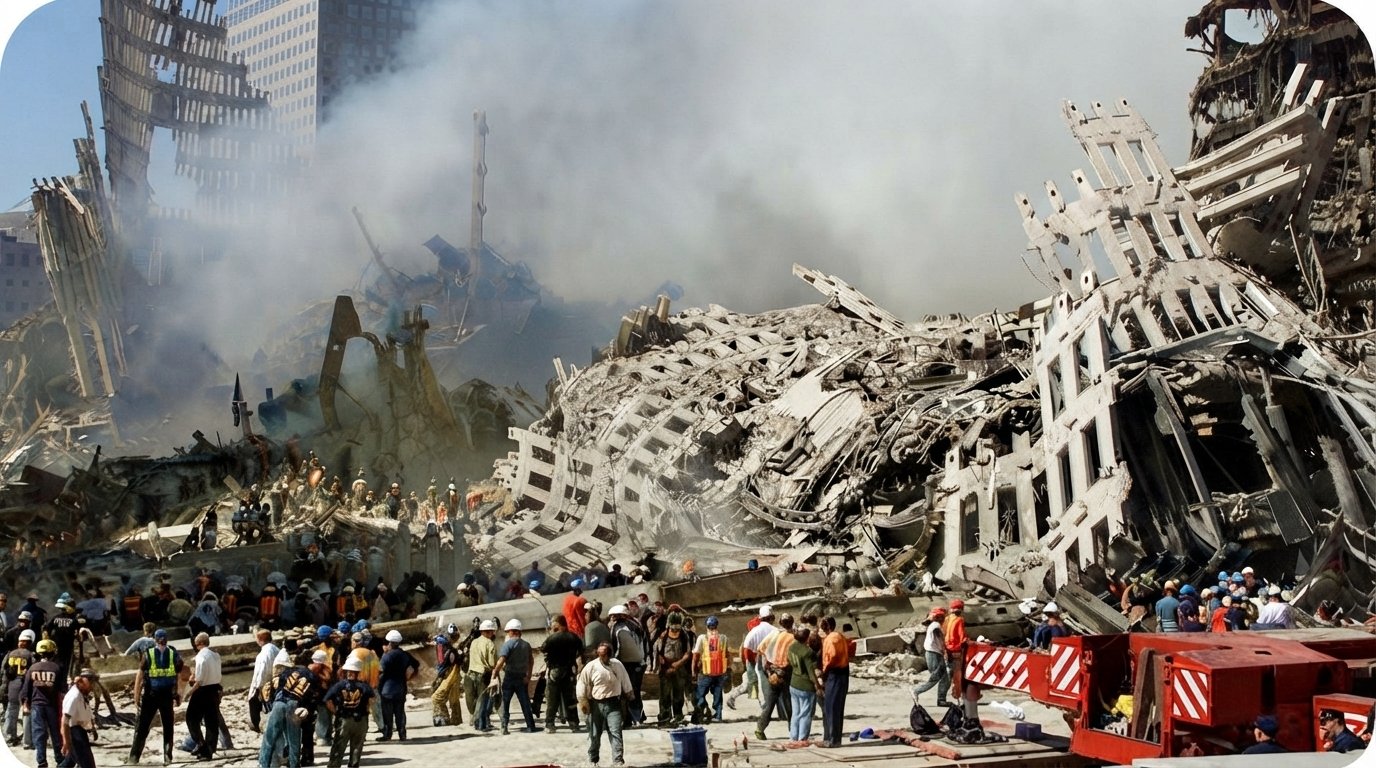
After the Twin Towers collapsed, enormous amounts of dust and debris spread across Lower Manhattan. The material contained various substances that raised concerns about possible long-term health effects.
Those risks affected people who lived and worked in the area. They also affected first responders and others involved in rescue and recovery efforts.
According to the report, officials publicly described the air as safe and acceptable. At the same time, internal documents may show concerns about health risks and potential legal liability.
The 9/11 Toxic Air Documents could help clarify how officials assessed and communicated those risks during the critical period after the attacks.
Health Effects Linked to 9/11 Air Exposure
The September 11 attacks killed 2,977 people. However, the health consequences continued long after the attacks ended.
According to a federal medical monitoring program cited in the report, more than 9,400 people have since died from illnesses linked to exposure at the World Trade Center site and nearby areas.
Thousands of others have experienced illnesses associated with dust and contaminants released after the buildings collapsed.
For survivors, first responders and residents, the newly released records could provide important information. They may help answer questions about whether officials gave adequate warnings about potential health risks.
Mamdani’s Statement on the Air Quality Records
Mayor Zohran Mamdani described the documents as evidence of what city authorities knew about toxic air conditions. He also highlighted when officials learned about those conditions and how they responded.
Mamdani criticized previous administrations for not making the information public. He said responsibility extended across several administrations.
The mayor also suggested that the newly released material could shed light on decisions made by officials trusted by New Yorkers.
What Could the Documents Reveal About Two Former Mayors?
The records could raise questions about the administrations of two former New York mayors: Rudy Giuliani and Michael Bloomberg.
Giuliani served as mayor when the September 11 attacks occurred. Bloomberg took office in January 2002 and remained mayor until December 2013.
New York City’s chief counsel, Steven Banks, said some records concern discussions within the Giuliani administration. Those discussions reportedly involved health risks and potential legal liability.
The records could therefore provide a clearer picture of how officials viewed the risks during and immediately after the crisis.
The Long Legal Fight Over 9/11 Air Records
The disclosure followed years of pressure rather than a short voluntary review. 9/11 Health Watch took legal action to obtain the records.
The organization argued that previous city administrations had withheld information from the public, Congress and the New York City Council.
Its campaign reflects a wider effort by victims, survivors and advocates. They have sought greater transparency about the health consequences of the attacks and the government’s response.
What Happens Next With the Toxic Air Documents?
The release of the initial records represents only the beginning. The city expects to publish additional documents online in waves during the next 12 months.
Researchers, journalists, lawyers and victims’ advocates will likely examine the material closely. They may look for information about air-quality assessments and government decision-making.
The documents could also influence continuing discussions about accountability. They may offer further insight into the responsibilities of public officials during major disasters.
A 25-Year Reckoning Over 9/11 Toxic Air
The release comes as the United States approaches the 25th anniversary of the September 11 attacks.
For many Americans, the anniversary remains a time to remember those who died. For thousands of survivors, responders and residents, September 11 also marked the beginning of a much longer health crisis.
The 9/11 Toxic Air Documents may not resolve every question surrounding the toxic air controversy. However, they could provide valuable evidence about what officials knew and what they told the public.
The records may also show how government leaders made decisions during one of New York’s darkest periods.
After a quarter-century, the disclosure marks another significant step in the search for transparency and accountability. It could help provide a clearer understanding of the long-term consequences of 9/11 and the government’s response to the toxic air concerns that followed.


