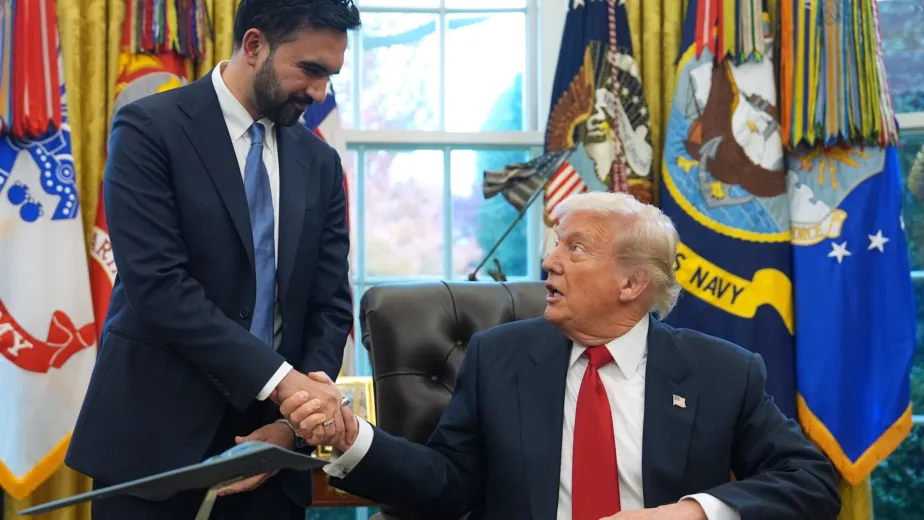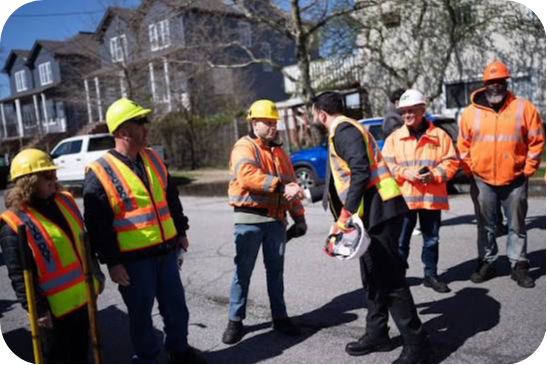
New York City has reached a significant infrastructure benchmark as Mayor Zohran Kwame Mamdani completed Mayor Mamdani’s Pothole Milestone by repairing more than 100,000 potholes within his first 100 days in office. Crews achieved the landmark on April 6, 2026, along Olympia Boulevard in Staten Island. The accomplishment ranks among the most ambitious street repair efforts in recent city history. Officials reported that crews repaired roads at the fastest pace seen in more than eleven years, reflecting the administration’s strong focus on public services and neighborhood improvements.
Mayor Mamdani’s Pothole Milestone represents more than a numerical achievement. It highlights a coordinated citywide effort to restore road conditions after a severe winter. The initiative also demonstrates the New York City Department of Transportation’s commitment to improving safety, mobility, and everyday travel across all five boroughs.
Winter Conditions Accelerated Road Damage
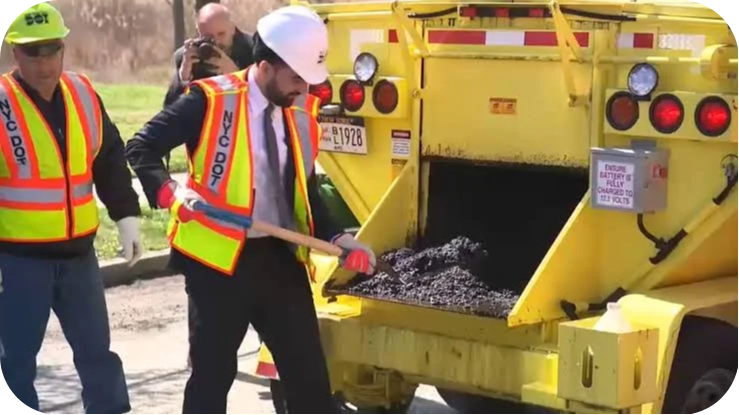
New York City experienced a sharp rise in potholes following one of its harshest winters in recent years. Repeated freeze-thaw cycles weakened pavement throughout the city. Small cracks expanded quickly and turned into large potholes. These deteriorating conditions disrupted traffic, increased vehicle damage, and created safety concerns for drivers, cyclists, and pedestrians.
City leaders recognized the growing scale of the problem early. Roads that had remained stable for years began deteriorating rapidly, particularly in high-traffic corridors. As maintenance requests increased, the administration made road repair one of its highest priorities during its opening months.
Rapid Action Behind Mayor Mamdani’s Pothole Milestone
As road conditions worsened, Mayor Mamdani directed the NYC Department of Transportation to launch an accelerated repair campaign. The agency focused on resolving existing complaints while preventing further damage before seasonal weather changes could create additional problems.
Mayor Mamdani described the effort as a practical investment in residents’ daily lives. He emphasized that well-maintained streets support safety, accessibility, and economic activity throughout the city. His administration considers roadway maintenance a central part of its broader quality-of-life agenda.
Deputy Mayor for Operations Julia Kerson highlighted the coordinated nature of the response. Teams worked in carefully organized shifts and targeted the most affected areas first. She praised frontline employees whose dedication allowed the city to respond quickly to widespread infrastructure challenges.
Blitz Operations Helped Reach Mayor Mamdani’s Pothole Milestone
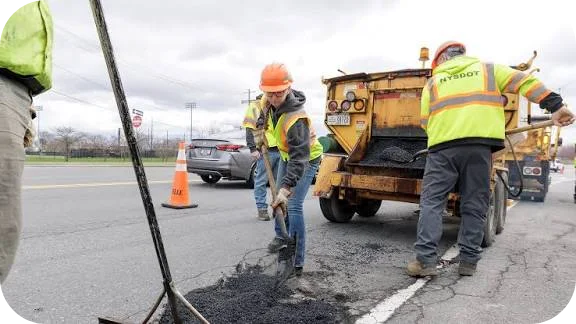
A key factor behind Mayor Mamdani’s Pothole Milestone was a series of intensive Saturday repair blitzes. These operations concentrated personnel, equipment, and materials into single-day efforts that dramatically increased productivity.
Each blitz began at 6 a.m. Approximately 80 NYC DOT workers deployed simultaneously to multiple locations throughout the city. Their goal was simple: complete nearly a week’s worth of repairs in a single day.
Blitz 1 (March 14): 7,200 potholes repaired
Blitz 2 (March 21): 8,000 potholes repaired
Blitz 3 (March 28): 7,600 potholes repaired
Together, these operations accelerated progress toward Mayor Mamdani’s Pothole Milestone. The strategy proved that focused scheduling and efficient resource management can significantly improve municipal service delivery.
Officials also noted that the blitz approach improved responsiveness to public complaints. Crews addressed issues across several boroughs at the same time. The program demonstrated how cities can tackle urgent infrastructure challenges quickly without disrupting everyday activities.
City Leaders Highlight the Success
City officials praised the achievement as an example of effective leadership and interagency cooperation.
Mayor Mamdani credited transportation workers for their commitment and resilience. He noted that many residents rarely see the demanding work required to maintain roads and public infrastructure. Nevertheless, these efforts remain essential to keeping New York moving safely and efficiently.
He also described the accomplishment as evidence of practical governance. While long-term development remains important, residents benefit most when they can see immediate improvements in their neighborhoods and daily routines.
NYC DOT Commissioner Mike Flynn emphasized the scale of the project. In just over three months, crews repaired more than 100,000 potholes throughout the city. He explained that the department now plans to shift its focus from emergency repairs toward long-term roadway improvements.
Flynn described the operation as a model of operational excellence. According to him, rapid intervention prevented further road deterioration and reduced future maintenance costs.
From Mayor Mamdani’s Pothole Milestone to Road Resurfacing
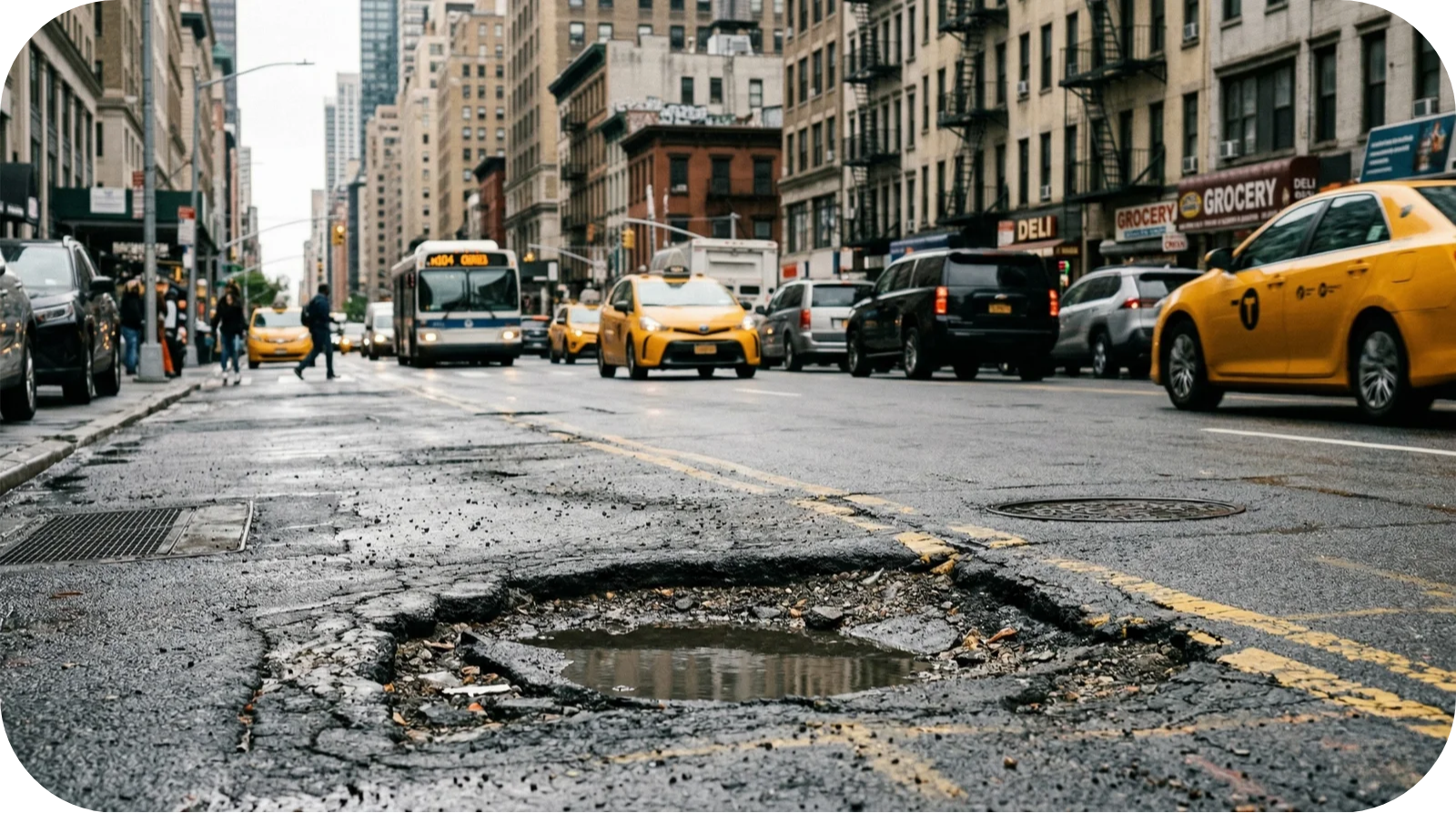
With the major repair campaign complete, NYC DOT has begun its annual resurfacing program. While pothole repairs address immediate hazards, resurfacing offers a longer-lasting solution by replacing damaged asphalt and restoring entire roadway sections.
This year, the department plans to repave approximately 1,150 lane miles of roadway. That distance roughly matches the journey from New York City to Miami. Officials expect the resurfacing effort to improve road quality significantly and reduce recurring pothole problems in heavily affected neighborhoods.
Crews who previously focused on emergency repairs will now support resurfacing projects throughout spring, summer, and fall. Because the city achieved Mayor Mamdani’s Pothole Milestone ahead of schedule, transportation officials can begin these larger projects earlier than usual.
What Mayor Mamdani’s Pothole Milestone Means for Residents
Repairing 100,000 potholes in only 100 days demonstrates both the scale of New York City’s infrastructure challenges and the effectiveness of organized government action. The accomplishment shows how careful planning, workforce mobilization, and operational discipline can produce measurable results within a short timeframe.
Residents already experience the benefits. Improved roads reduce vehicle damage, enhance traffic flow, and create safer travel conditions throughout the city. Mayor Mamdani’s Pothole Milestone also signals the administration’s willingness to address visible urban issues quickly and efficiently.
More broadly, the initiative reflects a proactive approach to city management. Rather than delaying repairs or spreading work across a longer period, officials concentrated resources to achieve rapid results. Other large cities facing similar infrastructure concerns may study this model as a blueprint for future maintenance and emergency response programs.
Conclusion
Mayor Mamdani’s Pothole Milestone stands as more than a symbolic accomplishment. It reflects a large-scale effort to restore critical infrastructure and improve daily life for millions of New Yorkers. Faced with severe winter damage, city leaders responded with urgency, coordination, and a clear operational strategy.
As New York transitions into the resurfacing phase, attention now shifts from short-term repairs to long-term durability. If the city maintains this momentum, Mayor Mamdani’s Pothole Milestone could become a defining example of how major urban centers can address aging infrastructure while delivering fast and visible results for residents.