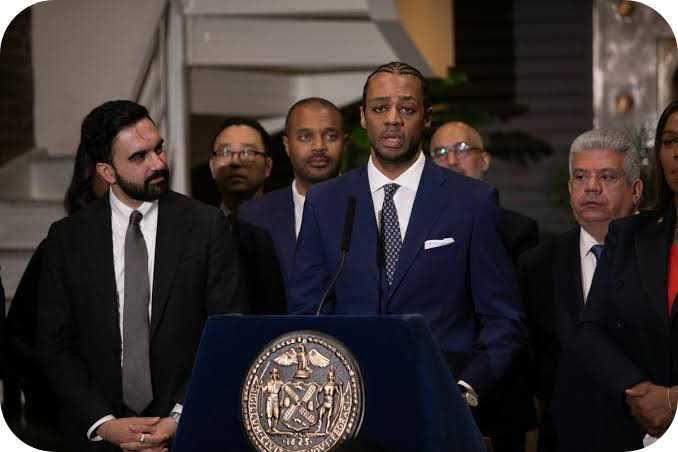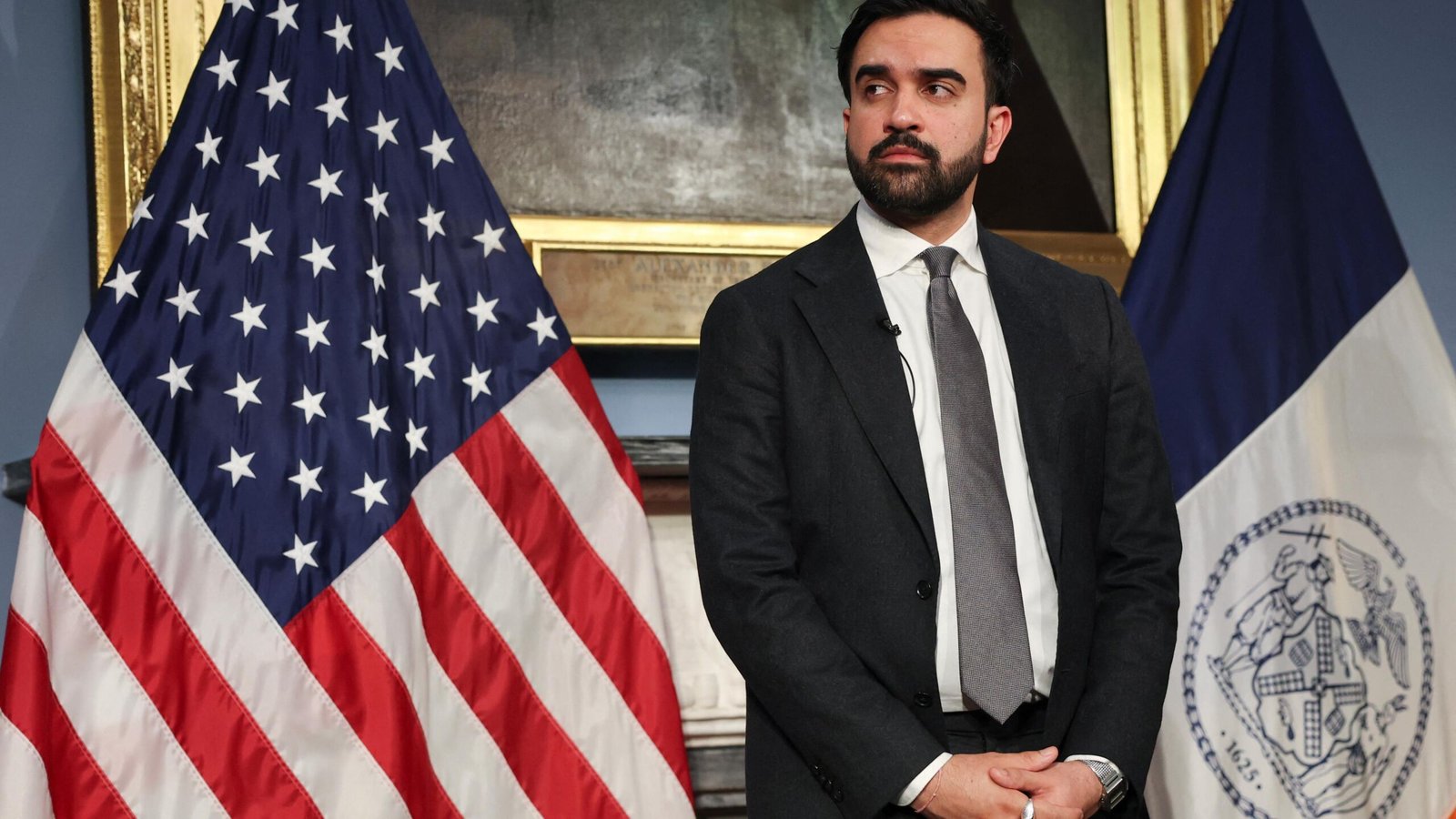
Zohran Mamdani is under increasing pressure over his $124.7 billion Fiscal Year 2027 executive budget, which he first unveiled as a huge accomplishment that erased New York City’s anticipated multi-billion-dollar deficit.
The statement was met with cheers from supporters at first, who pointed to it as evidence that progressive governance can stabilize big-city economies without sacrificing services or raising broad-based taxes. But critics linked to fiscal watchdogs and political opponents with ties to Donald Trump are now labeling the budget a “gimmick,” suggesting the apparent success masks broader structural problems.
The dispute is over modifications to pension funds, temporary revenue sources and a large dependence on state financial aid.
Critics Call Mamdani’s Budget a “Gimmick” Why
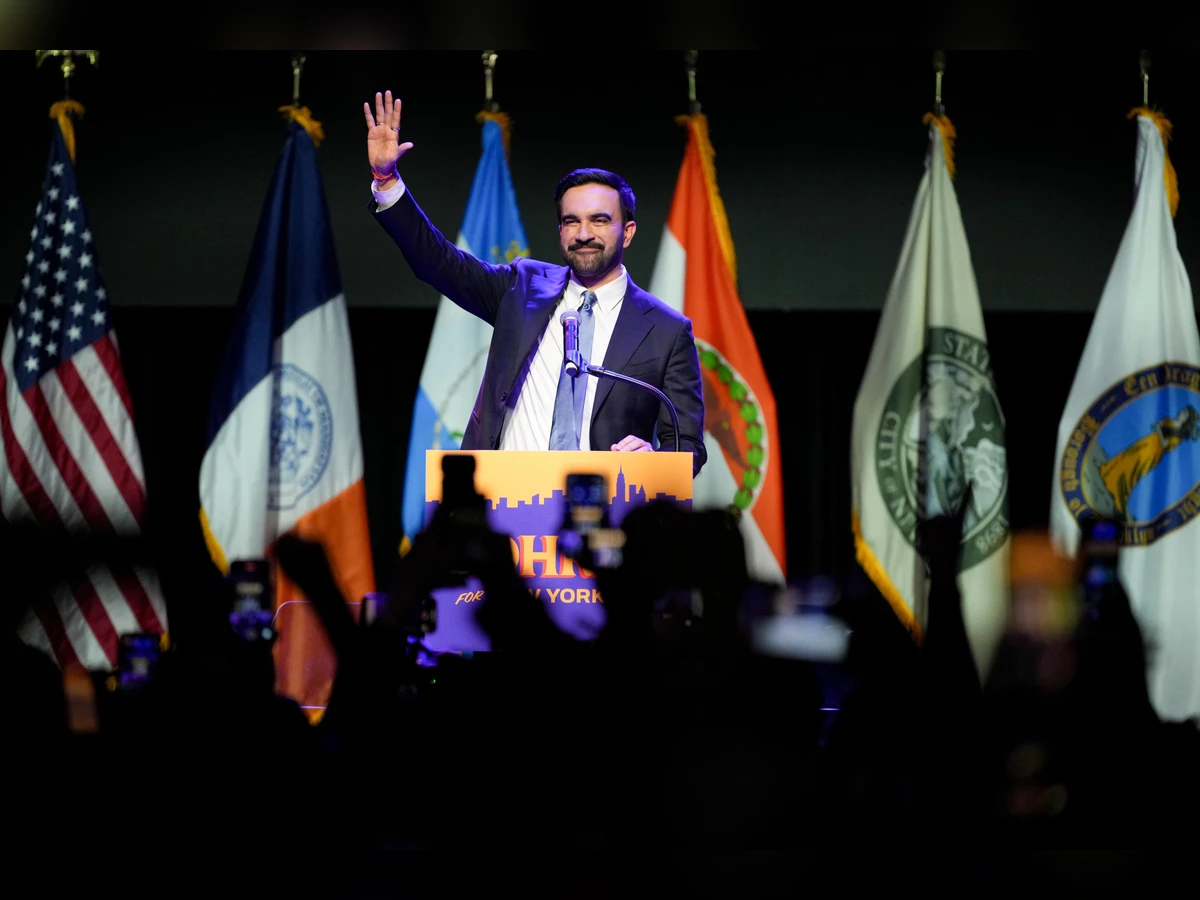
But critics say the Mamdani administration didn’t really solve the city’s long-term economic woes, but instead moved commitments to make the current year appear balanced on paper.
Fiscal watchdogs, such as the Citizens Budget Commission, have been particularly vociferous. The budget technically addresses the current shortfall, they say, but it does so by pushing costs into the future rather than addressing underlying structural imbalances.
This has ignited a wider debate on whether Mamdani’s fiscal plan is innovation or accounting juggling.
The Pension Payment Delay Dispute
The biggest bone of contention is the modifications to the pension financing plan for New York City.
Critics say Mamdani’s plan pushes full stability to 2037 by stretching repayment obligations by around five years, lowering immediate annual contributions to key public pension systems. The change is anticipated to produce about $1.6 billion of short-term savings.
But Andrew Rein, president of the Citizens Budget Commission, has called the technique a “pension gimmick,” saying it only delays financial accountability. The worry is that while today’s taxpayers are getting a break on their payments, future taxpayers – notably in the mid-2030s – will be paying the price for today’s budget relief.
Some conservative think tanks have taken it a step further, ridiculing the idea as a symbolic accounting gimmick that masks long-term liabilities behind short-term relief measures.
Structural Stability Concerns in One-Shot Revenues
Another big concern is the utilization of around $2.8 billion of so-called “one-shot” revenues. This includes re-estimated savings, unspent cash and changes from earlier years that are not projected to recur in future fiscal cycles.
“This is not a solution to structural deficits to use non-recurring revenue sources to close ongoing budget gaps,” said City Comptroller Mark Levine . Instead, it risks producing recurring gaps in future fiscal years when these temporary monies are gone.
Critics say the policies are only delaying the financial pressures to the next cycle rather than eradicating them, even if they help balance the budget now.
State Aid and the “Albany Bailout” Controversy
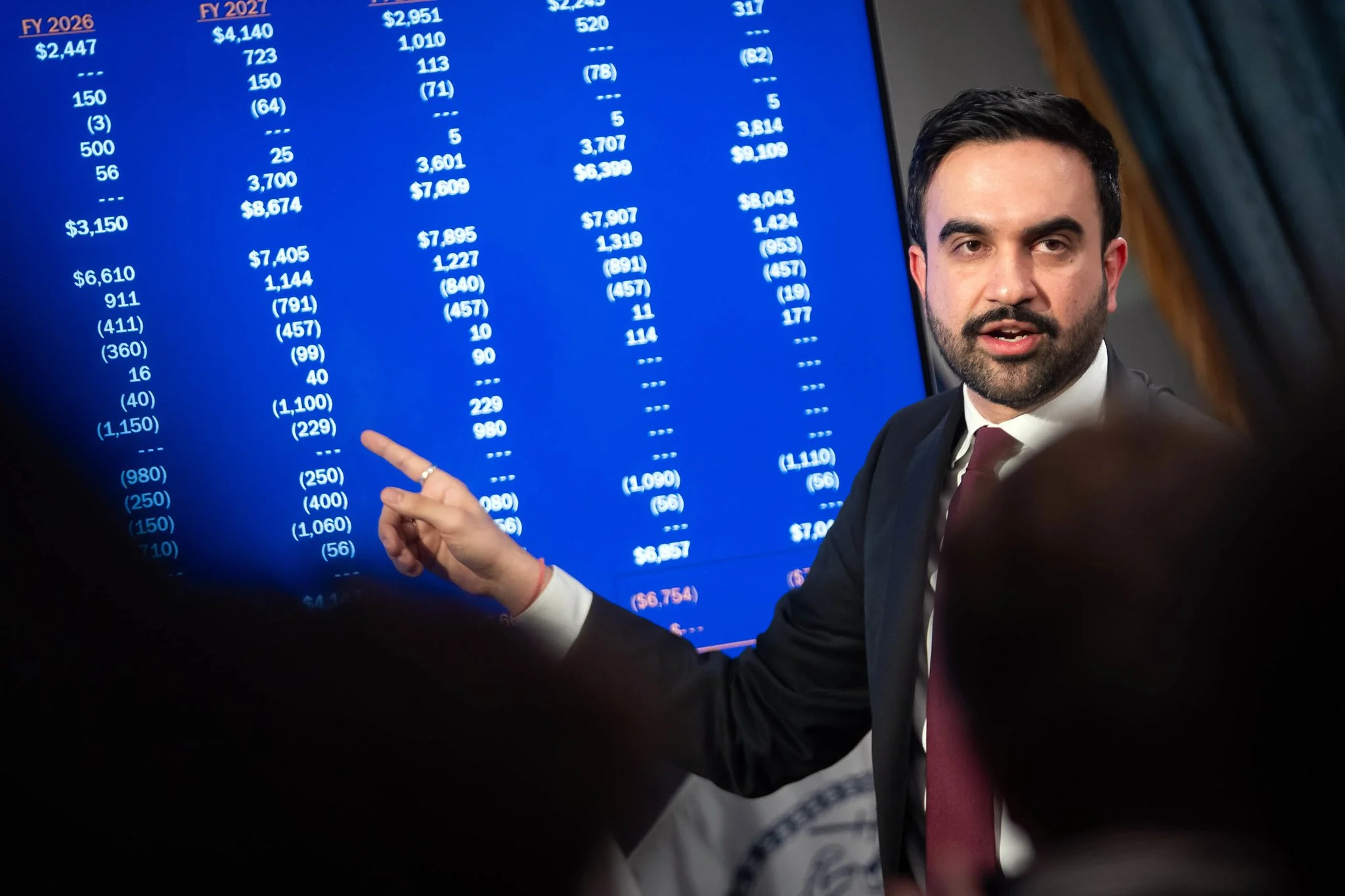
The budget also relies significantly on some $4 billion in state aid won from negotiations with New York Gov. Kathy Hochul and legislative leaders.
Mamdani’s supporters think this is a successful example of intergovernmental collaboration that makes New York City’s finances stronger. Critics, meanwhile, especially those who subscribe to the Trump-era fiscal conservatism, say it’s essentially passing the buck to taxpayers beyond municipal limits.
Questions of justice and long-term budgetary independence exist as suburban and upstate people are seen to be indirectly financing the expansion of social programs and policy agendas in New York City.
Mamdani Administration Still Faces Future Budget Shortfalls
Mamdani is touting his budget as a balanced one for Fiscal Year 2027, but fiscal watchdogs say it leaves major future holes unaddressed. Estimates predict that New York City may still be staring at a $7 billion to $10 billion deficit by Fiscal Year 2028 which would be during Mamdani’s current tenure.
Critics say this is evidence the administration has not alleviated structural fiscal pressures, but has just kicked them into future planning cycles. This is the heart of the “gimmick” argument: short-term balance at the expense of long-term stability.
Mamdani Defends Budget Strategy
Despite the criticism, Mamdani’s administration firmly denies the notion that the budget is deceptive or fiscally unsustainable.
Senior officials contend that pension modifications are a prudent “smoothing” of payments, not a disguised burden shift. They further point out that no current retiree benefits are being cut and no immediate pension commitments are being jeopardized.
Supporters in progressive policy circles say the city’s approach is a reflection of pragmatic budgetary management in a constrained environment, particularly given the need to prevent major service cuts or large property tax hikes.
The administration further notes that the budget does not depend on emergency reserves and yet provides necessary public services for working-class households.
Trump Allies, Fiscal Conservatives Launching Attacks
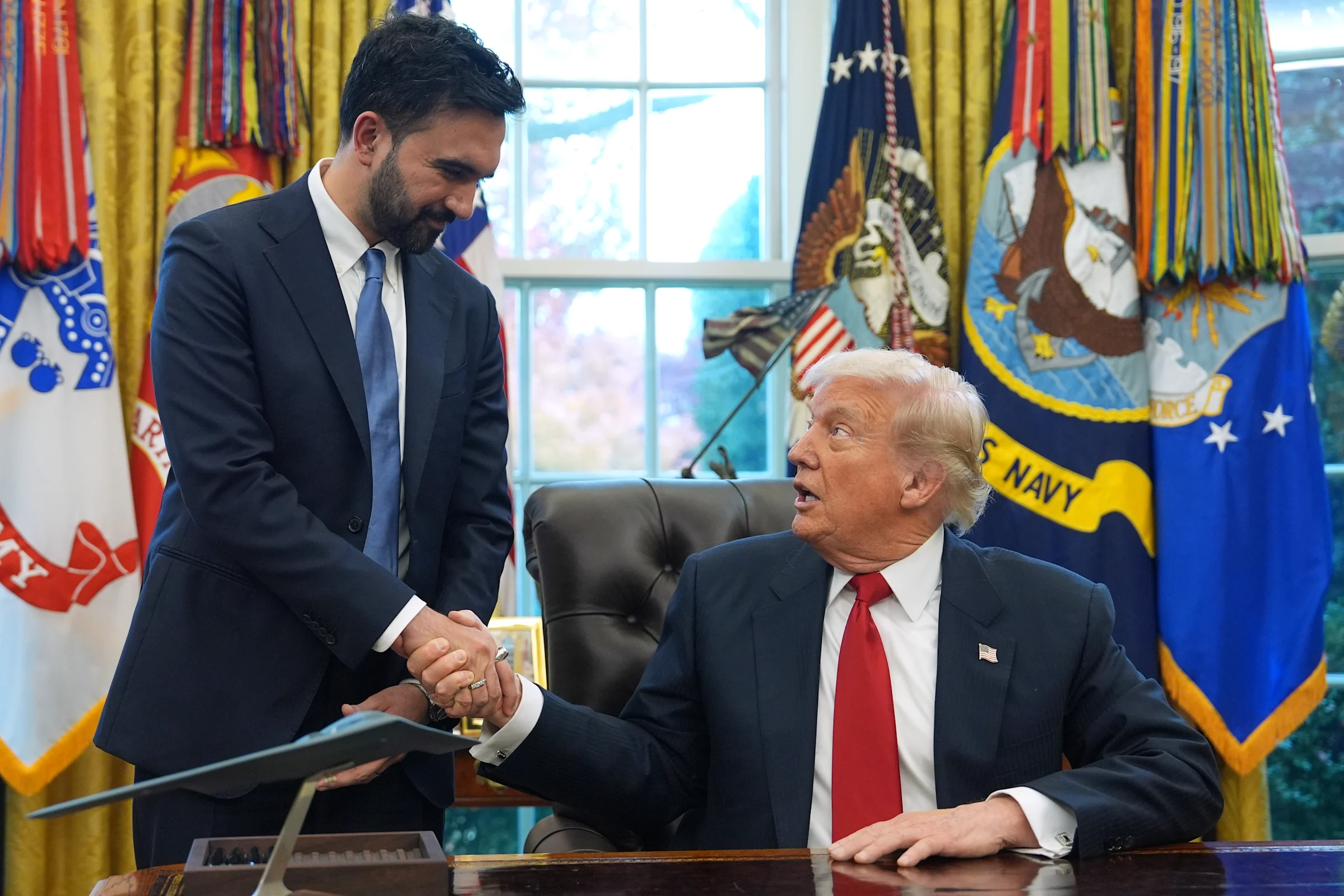
Political opponents of Donald Trump have seized on the debate to imply that Mamdani’s method is a symptom of larger failings in progressive economic planning.
They say the budget relies too much on accounting gimmicks, state-level bailouts and deferred responsibilities instead of real structural reform. For them, the pension policy and one-shot income underscore long-time gripes that progressive budgets emphasize short-term political triumphs above long-term budgetary prudence.
That dispute has now become part of a bigger national political debate over how cities should handle rising costs, pensions and public service promises.
A budget that looks balanced now but divides experts tomorrow.
Mamdani’s $124.7 billion executive budget has generated a stark rift between supporters and critics.
Supporters say it’s a practical fix that preserves services, prevents tax increases on working families and stabilizes the city during a tough budget period. To critics, including fiscal watchdogs and Trump-aligned opponents, it is a cleverly crafted “gimmick” that pushes New York City’s long-term financial difficulties down the road rather than solves them.
While the discussion rages on, one thing is clear: The battle for Mamdani’s budget is no longer about the numbers alone, it is a defining political argument about how cities can balance fairness, responsibility and budgetary survival.