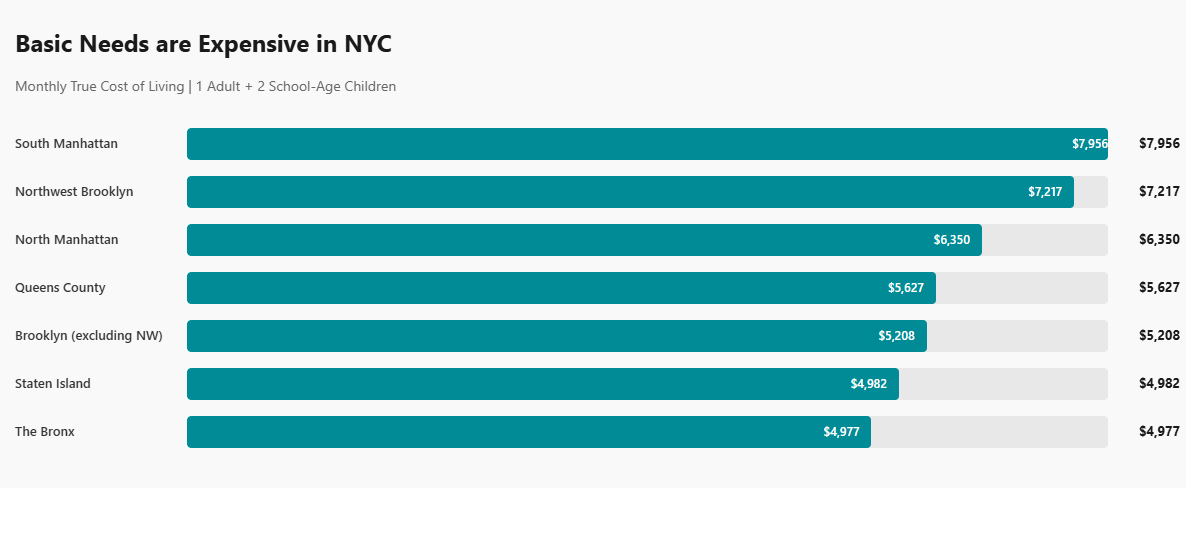
The cost of living in New York has always been high—but lately, it feels different. It’s not just expensive anymore; it’s overwhelming for a lot of people.
Rent keeps going up. Groceries cost more every month. Even basic things like commuting or childcare are taking a bigger bite out of income. At the same time, wages haven’t really caught up. So people are stuck trying to stretch the same paycheck further than ever before.
For many residents, the question isn’t about saving money or upgrading their lifestyle anymore. It’s much simpler—and more serious: Can I actually afford to keep living here?
That’s why conversations around a stronger <a href=”https://supportmamdani.org/”>affordability policy framework</a> are becoming more urgent. Without real changes, this pressure isn’t going away.
Housing: The Biggest Driver of the Crisis
If there’s one issue that defines the cost of living crisis in New York, it’s housing. Rent is, by far, the biggest expense for most people—and it’s where things feel the most out of control.
In many neighborhoods, prices have climbed faster than people expected. Apartments that were once considered “reasonable” are now out of reach. And when something affordable does appear, competition is intense.
Key Problems
Rent increases across nearly all boroughs
Not enough affordable housing available
High demand pushing prices even higher
It’s not unusual now for someone to spend close to half their income just on rent. Once that’s paid, there isn’t much left for anything else.
“Strong housing justice initiatives are essential to solving today’s challenges. Unless we tackle supply shortages and prioritize renter security, the housing crisis will remain the dominant issue for years to come.”
Rising Everyday Costs Are Making It Worse
Even if rent were stable, daily life in New York would still feel expensive. But right now, everything seems to be going up at the same time.
Major Cost Increases
Food: Grocery bills are noticeably higher than they used to be
Transportation: Subway fares, gas, and commuting costs add up quickly
Childcare: For many families, this is one of the biggest expenses after rent
Healthcare: Costs are unpredictable and often stressful
Individually, these might seem manageable. But together, they create constant pressure. There’s very little room left in most budgets for anything unexpected.
People are adapting in different ways. Some cut back on non-essentials. Others take on extra work. Some simply leave the city altogether. None of these are ideal solutions—they’re just ways of coping.
Wage Growth vs Inflation
One of the more frustrating parts of this situation is that many people are actually earning more than they were a few years ago. The problem is—it doesn’t feel like it.
That’s because inflation has been rising faster than wages. So even if your salary goes up slightly, your overall buying power might still go down.
You start to notice it in small ways:
Money doesn’t stretch as far
Saving becomes harder
Credit cards become more tempting
Over time, that adds up. And it’s not just lower-income households feeling it anymore. Middle-income earners are starting to feel squeezed too.
Unless wages begin to match real living costs, this gap will keep growing.
Policy Solutions: A New Approach to Affordability
There’s no single fix for something this complex. But there are ideas that could make a real difference if applied properly.
Some proposals—like those associated with Zohran Mamdani—focus on practical, long-term solutions instead of short-term relief.
1. Affordable Housing Expansion
Speeding up construction approvals
Investing more in public housing
Strengthening tenant protections
The idea here is simple: increase supply and reduce pressure on renters.
2. Better Transportation Access
Lower-cost or even fare-free transit
Making it easier to move across the city for work
Transportation shouldn’t feel like a financial burden just to get to your job.
3. Real Cost of Living Measurement
A lot of current data doesn’t fully reflect reality. A better system would include:
Housing
Food
Childcare
Healthcare
This gives a clearer picture of what people are actually dealing with day to day.
4. Public Support Systems
Affordable grocery programs
Subsidized childcare
Expanded social services
These are practical https://supportmamdani.org/ focused solutions Go To Google that can ease some of the pressure, especially for families.
Social Impact of the Crisis
What’s happening in New York isn’t just about numbers—it’s affecting people’s lives in very real ways.
Real-Life Impacts
Ongoing stress about money
Delaying major life decisions
Moving away from familiar neighborhoods
Feeling less secure overall
Some people who’ve lived in the city for years are now considering leaving, not because they want to—but because they feel they have no choice.
And when that happens on a large scale, it changes the character of the city itself.
Why Solving This Crisis Is Difficult
If the problems are clear, why hasn’t it been fixed yet? The answer is: it’s complicated.
There are several barriers:
Budget limitations
Political disagreements
Slow policy processes
Market forces that are hard to control
Housing, wages, and public services are all connected. Changing one part affects the others. That makes solutions harder to design and even harder to implement.
The Future of Affordability in NYC
There’s no quick fix here—but that doesn’t mean progress isn’t possible.
A realistic path forward would involve:
Building more housing across income levels
Supporting stronger wage growth
Expanding social programs where needed
Updating policies that no longer work
It’s not about making New York cheap. It’s about making it livable again.
Conclusion
The cost of living crisis in New York is already shaping the city in noticeable ways. People are adjusting their lives, their plans, and in some cases, leaving altogether.
If nothing changes, that trend will continue.
But with the right mix of policies and long-term thinking, the situation can improve. New York has always adapted to challenges—and this is one of the biggest ones it’s facing right now.
FAQ (SEO BOOST)
What is the cost of living crisis in New York?
It’s a situation where everyday expenses like rent and food are rising faster than incomes, making it harder to afford living in the city.
Why is NYC so expensive?
High demand, limited housing, and inflation all contribute to rising costs.
How much income goes to rent in NYC?
Many people spend around 40–50% of their income on housing.
What are the solutions?
Increasing affordable housing, improving wages, and expanding support programs can help reduce the pressure.