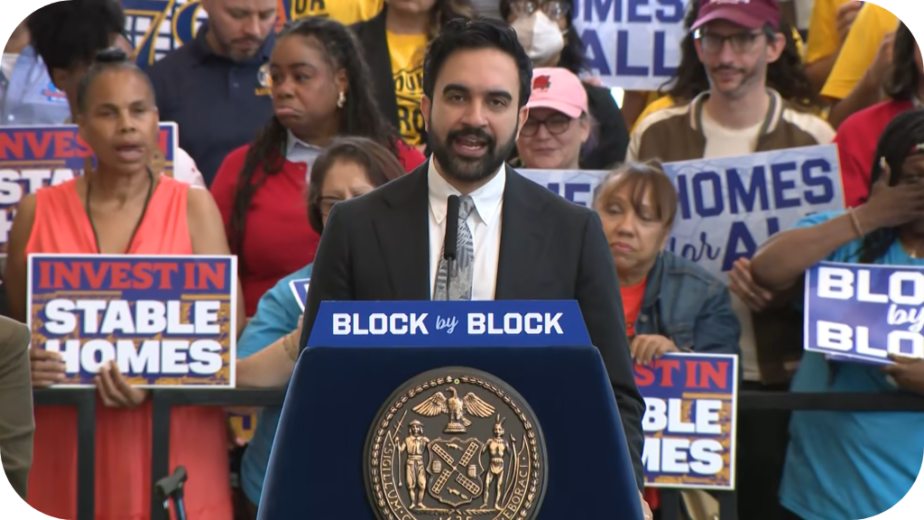
The NYC tax policy Mamdani proposed focuses on taxing luxury second homes to address housing issues.
When Tax Day arrived in April, Mamdani made a promise that resonated through New York City: a bold move to tax the rich by targeting one of their favorite investment vehicles, luxury second homes. This announcement was not just another political statement. It was a specific policy proposal designed to address housing inequality and generate revenue for the city. But what does it actually mean? How does it work? And is it really happening?
The NYC tax policy Mamdani introduced has become a major topic in New York, especially as the tax the rich policy Mamdani focuses on luxury second homes. This NYC tax policy aims to reduce empty properties, improve housing availability, and generate revenue for public services. Many experts believe the NYC tax policy Mamdani proposed could impact real estate trends while also supporting affordable housing initiatives across the city.
This is what you need to know about Mamdani’s luxury second home tax and the NYC tax the rich policy that could reshape how unused high value apartments are treated in the city.
What Exactly Was Announced on Tax Day
On Tax Day, Mamdani announced a targeted tax on luxury second homes in New York City. This was not a vague promise. It was a clear policy proposal with defined ideas.
The announcement focused on one main idea: wealthy individuals who own multiple properties in NYC, especially expensive apartments they rarely use, would face a new tax. These are homes that often sit empty most of the year while their owners live elsewhere.
Key details of the announcement:
• Tax applies to high value residential properties
• Targets owners who use the property as a second home, not their main residence
• Designed to increase tax revenue and reduce empty housing
• Part of a broader plan to fund housing and public services
This was presented as a real policy that could move forward, although the timeline depends on approval from city leadership.
How This Tax Would Work
Understanding this policy requires looking at how the city would identify and tax these properties.
Property Identification
The city would determine which homes qualify as second homes using different data sources:
• Primary residence records
• Utility usage patterns
• Voter registration data
• Building management information
If a property is not used as a main residence and shows low usage, it would be flagged.
Tax Rate and Revenue
Proposals suggest:
• Around 1 to 1.5 percent yearly tax
• A 5 million dollar property could pay 50,000 to 75,000 dollars per year
• Estimated revenue could reach 500 million to 1 billion dollars annually
This money would be used for housing programs, public services, and support for vulnerable communities.
Who This Policy Affects
This policy does not affect most New Yorkers.
It mainly targets wealthy individuals who own multiple high value properties. This includes investors, developers, and international buyers who treat NYC housing as an asset.
Who is not affected:
• People living in their main home in NYC
• Lower value property owners
• Regular professionals with typical housing
• Rental property owners using units for income
The impact is expected to focus on high end neighborhoods in Manhattan.
Is This Policy Implemented
Right now, the policy is still in the proposal stage.
It requires:
• Approval from City Council
• Approval from the mayor
• Legal review
• A system for enforcement
Current updates include:
• Ongoing review by officials
• Financial planning for enforcement
• Opposition from real estate groups
• Support from housing advocates
A realistic timeline is around 18 to 24 months if approved.
What This Means for NYC Residents
Even though this targets wealthy property owners, the effects could impact the whole city.
Positive effects:
• More funding for affordable housing
• Reduced empty apartments
• Better public services
• Progress in reducing inequality
Concerns:
• Wealthy owners may avoid the tax
• Investment patterns may change
• Enforcement could be expensive
What to Track Next
To follow this policy, watch:
• City Council decisions
• Mayor’s position
• Legal challenges
• Implementation systems
• How the money is used
Conclusion
Mamdani’s luxury second home tax is a clear and trackable policy proposal.
It could generate major funding for housing or face challenges before becoming law.
Right now, it is at a critical stage where ideas are tested against real world decisions.
What happens next will determine whether this becomes real change or another unfulfilled promise.
Learn more about how we track policies and progress on our Promise Tracker page.
For official updates and announcements, visit the NYC Mayor’s Office website.