Zohran Mamdani has launched one of his most public and community-centric projects to date: “Soccer Streets,” a citywide campaign to transform 50 school blocks across New York City into pop-up soccer fields, block parties and cultural play zones leading up to the 2026 FIFA World Cup.
The news again places Mamdani in the national limelight, with advocates lauding the program as a bold investment in youth and public space, and those allied with Donald Trump questioning if the effort is the greatest use of city resources.
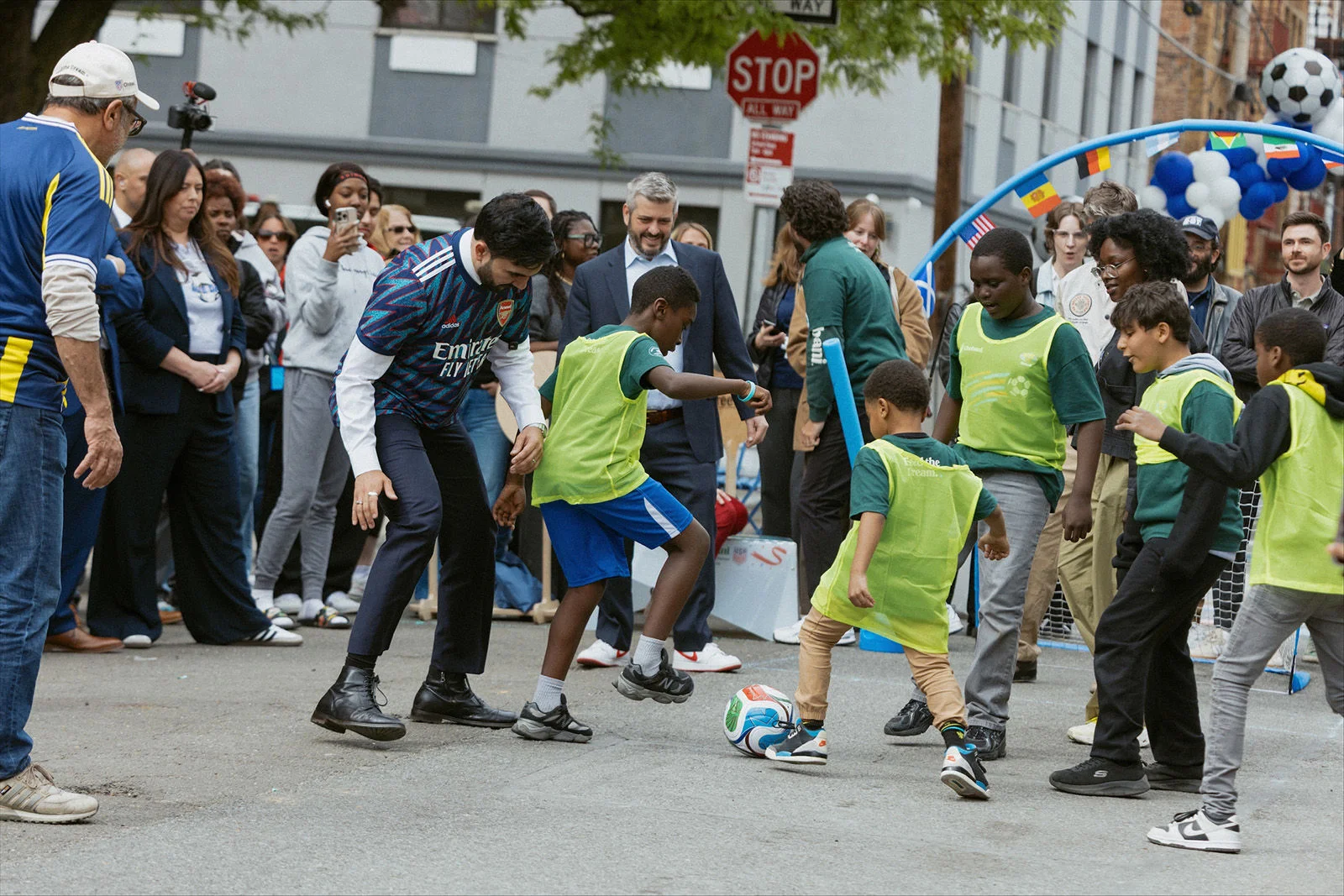
But the idea on the ground is simple: take streets away from automobiles for one day, and give them back to children.
What “Soccer Streets” Actually Does All Over New York City
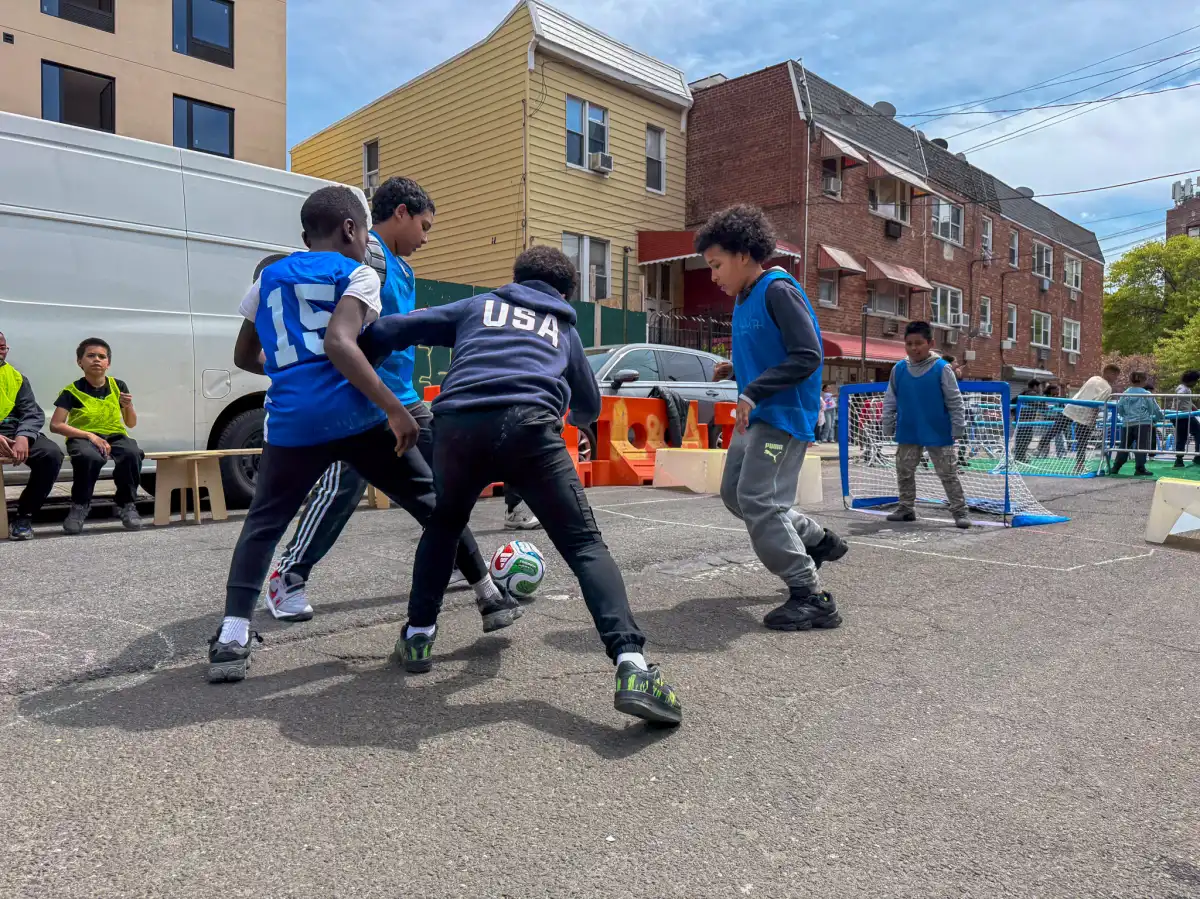
The “Soccer Streets” program will reach 50 public schools in all five boroughs before the conclusion of the school year. The city will temporarily restrict roadways around schools at each location and turn them into safe, car-free zones featuring soccer pitches, art stations, music and community activities.
Students will play pickup games, practice drills and do creative activities such as painting team flags and designing school banners. The administration of Mamdani isn’t simply hosting a sporting event. It’s creating a neighborhood-wide festival of play, learning and community engagement.
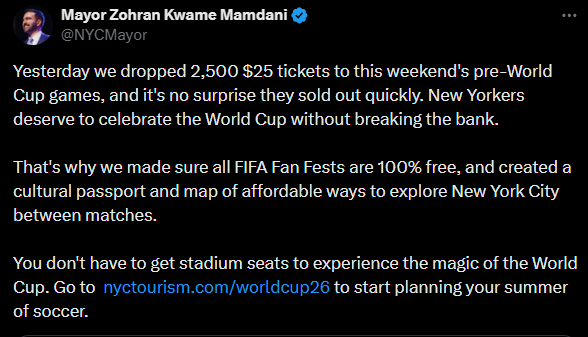
City officials said the goal is to ensure that every New York City kid gets to share in the excitement of the forthcoming FIFA World Cup — not just those who can afford tickets to the stadium.
Mamdani advances the vision of a “Public Space for Kids”
Mamdani’s supporters argue “Soccer Streets” is part of a larger idea about urban life: Public space should be for inhabitants, not only for cars or tourists.
The concept closes roadways to traffic, turning ordinary school blocks into impromptu community parks. This is particularly significant for many schools in congested neighborhoods where outside space is often restricted or hazardous for extended play.
Mamdani called the plan “opening up streets to play and bringing the World Cup to neighborhoods.” He stressed that such global events should benefit local communities first, not commercial sponsors or ticket holders.
The method has become a trademark motif in Mamdani’s government style, with its emphasis on accessibility, community participation, and public investment.
City Agencies and Partners Partner with Mamdani for Soccer Streets Program
The effort is being undertaken in cooperation with a number of city agencies and private groups. The street closures are supported by the NYC Department of Transportation’s Open Streets for Schools initiative, which currently enables some schools to transform nearby roads into play and learning spaces.
Education officials also endorsed the plan, noting outdoor play is a crucial aspect of student growth and well-being. “Programs like these are about changing the environment of education itself, making sidewalks and streets an extension of the classroom,” school administrators say.
There are also private and nonprofit partners involved, including Street Lab and corporate sponsor Chobani, which help facilitate events and community activities in the participating areas.
World Cup Tied to Soccer Streets
With the 2026 FIFA World Cup on the horizon, New York City is getting ready to welcome thousands of visitors, host games, and bask in the worldwide spotlight. Mamdani’s administration is using that moment to link worldwide excitement with local community involvement.
Instead of keeping the World Cup experience to stadiums and official fan zones, “Soccer Streets” brings the celebration into the heart of residential districts and public schools.
Supporters say this is an unusual attempt to democratise a global event, to make sure youngsters in all boroughs get to experience the adrenaline of the tournament in a meaningful way.
Supporters Praise Mamdani
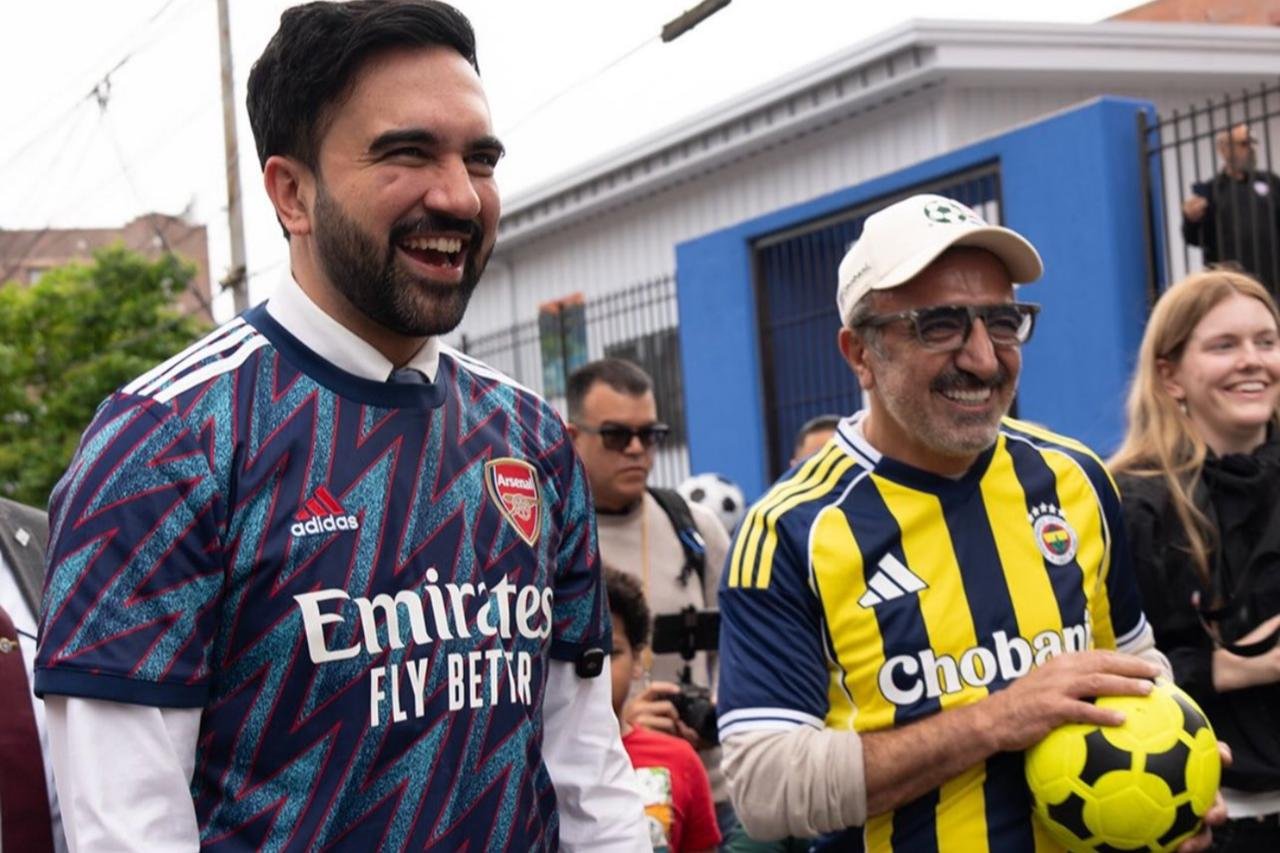
Mamdani’s backers say “Soccer Streets” is a welcome example of youth, cultural and public life leadership not driven by corporate interests. They see it as part of a larger vision that includes housing reform, public investment and community-centered government.
But critics sympathetic to Donald Trump question the effectiveness and cost efficiency of the program over the long term. Some say that shutting roadways and holding major events could cause logistical problems or cause distraction from more essential infrastructural issues.
Still, detractors acknowledge the initiative is popular with students and families who directly benefit from the events.
The importance of “Soccer Streets” beyond sport
It seems like a soccer effort, but “Soccer Streets” is really part of a bigger discourse about urban policy and how cities use public space.
In heavily populated areas like New York City, street space is frequently the only outside space many youngsters have. And by reclaiming that space for a moment, Mamdani is reaffirming the idea that cities can be built around people, not cars.
The program also mirrors a larger trend in how local governments are addressing youth participation, public health and community programs.
Mamdani’s Most Playful Policy Yet Packs Political Punch
“Soccer Streets” may sound like a simple tribute to the sport, but it has swiftly become another flashpoint in the political war of words between Mamdani and Trump-aligned detractors.
For fans of Zohran Mamdani, it’s a vision of a city that invests in joy, community, and shared public space. Trump-aligned critics are asking the usual questions about government spending priorities.
In any case, with the World Cup coming up, Mamdani has made sure that thousands of youngsters in New York will be able to watch the event in their own communities, not just on TV but directly outside their school doors.