Sport has always been much more than just a game. The Zohran Mamdani affordability agenda reflects a broader belief that culture, community, and public experiences should remain accessible to everyone. Sport represents identity, belonging, and shared experiences, and for many New Yorkers and people around the world, it is one of the few places where class, background, and politics fade into the background. In recent years, however, the cost of attending live games has risen so sharply that many ordinary families can no longer afford the experience.
That reality explains why the Zohran Mamdani affordability agenda has resonated with people who believe public life should belong to everyone, not just a privileged few.
A recent campaign-style message tied to this broader affordability agenda reflected a simple but powerful idea: if the “people’s game” truly belongs to the people, then people should be able to attend it without financial strain.
How the Zohran Mamdani Affordability Agenda Supports Affordable Sports Tickets
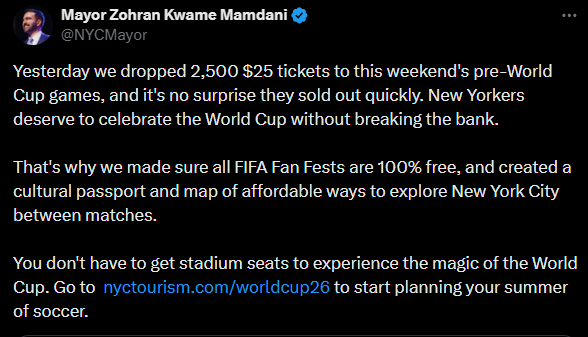
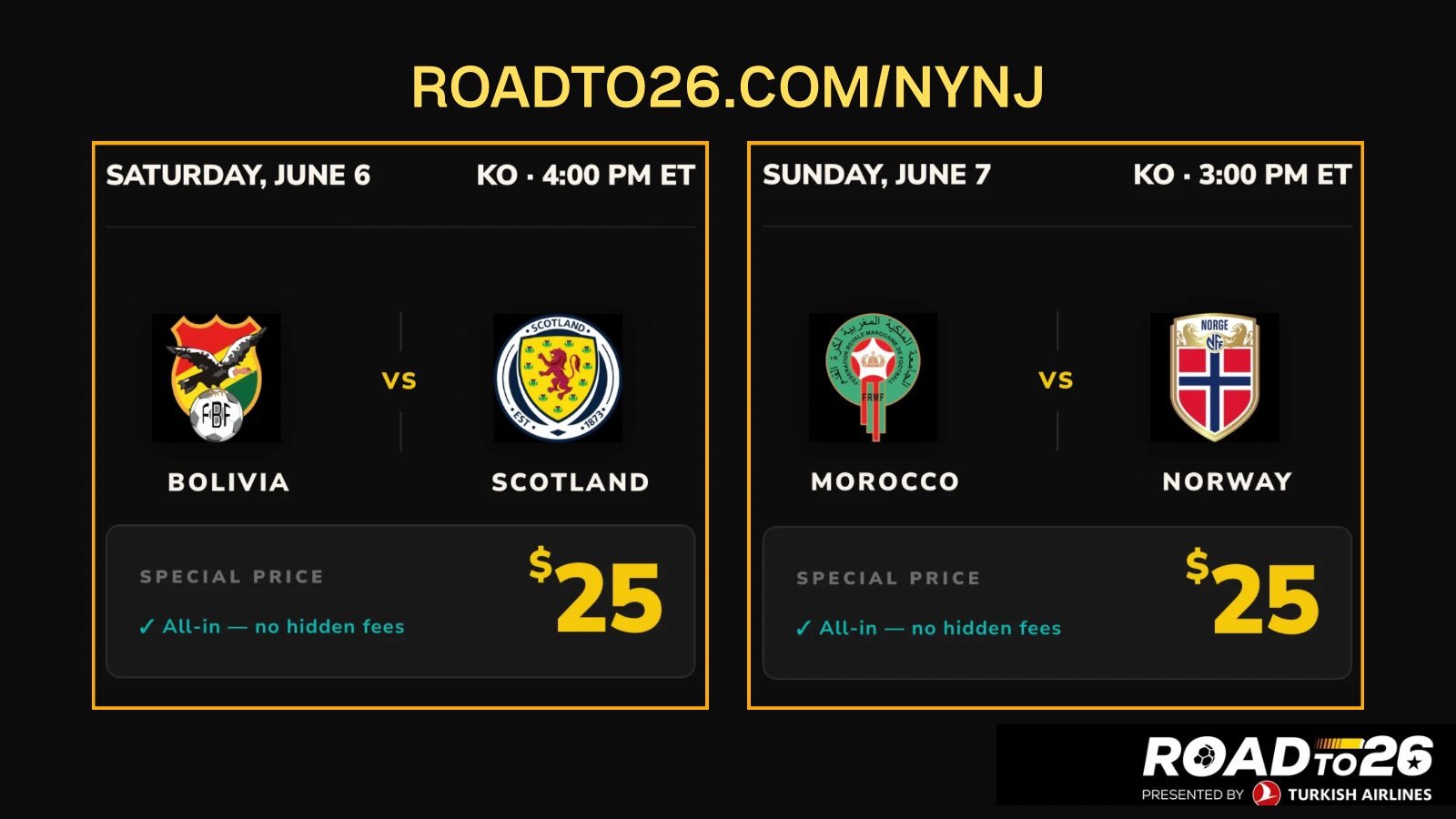
The discussion surrounding the Scotland vs. Bolivia pre-World Cup friendly match points to a broader set of values. Organizers released additional $25 tickets after the first batch of lower-priced seats sold out almost immediately. That decision represented more than a marketing strategy. It showed a commitment to making attendance possible regardless of income level.
Across many major cities, attending a live sporting event has slowly become a luxury. Fans often face dynamic pricing systems, expensive resale markets, and premium seating packages. Many families find themselves priced out before they even consider buying tickets. As a result, what should be a simple weekend outing often becomes a carefully calculated financial decision.
By emphasizing affordability, equity, and accessibility, this effort pushes back against those trends.
Why Affordable Sports Access Matters for Communities
People do not usually connect public policy with sports tickets. Yet cultural participation plays an important role in overall quality of life.
Affordable ticket prices for live sporting events can:
Help families create lasting memories, especially those who rarely have access to such entertainment.
Bring together people from different neighborhoods and cultural backgrounds.
Inspire children and teenagers by giving them opportunities to watch professional athletes and international competitions.
Promote socioeconomic diversity by ensuring major events remain accessible to more than just wealthy spectators.
Supporters of the Zohran Mamdani affordability agenda argue that public happiness should not become a luxury product.
Instead, they believe cities should treat access to cultural experiences as an essential part of community well-being.
The People’s Game and the Mamdani Affordability Vision
Football has deep roots in working-class communities, which explains why many people call it “the people’s game.” In earlier generations, stadiums served as gathering places where entire neighborhoods came together. They were not spaces dominated by corporate buyers or exclusive hospitality groups.
Commercialization has altered that balance. Ticket prices for major international matches, including World Cup-related events, have climbed dramatically in many countries. As a consequence, the sport’s cultural identity has drifted away from its economic reality.
When Zohran Mamdani speaks about affordability, he encourages people to reconnect with football’s original spirit. His message does not seek to reduce the game’s value. Rather, it seeks to distribute that value more fairly among the public.
The Role of Pre-World Cup Events in Community Engagement
The Scotland vs. Bolivia match represents only a small part of the excitement leading up to global football tournaments. For many supporters, these preliminary events provide the only realistic opportunity to experience international football in person.
Affordable ticket initiatives, such as the introduction of $25 seats, help organizers and fans:
Build excitement ahead of major tournaments.
Connect local communities with international sporting culture.
Create welcoming fan experiences before global events begin.
Lower prices generally attract a broader audience. More importantly, they change the atmosphere inside the venue. Stadiums begin to reflect the diversity of the communities around them instead of serving only a limited segment of the population.
Affordability as a Core Policy Principle
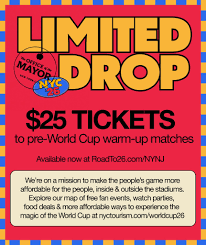
Although this sports initiative focuses on one event, it highlights a much broader political principle. Affordability should guide decisions across many areas of urban life.
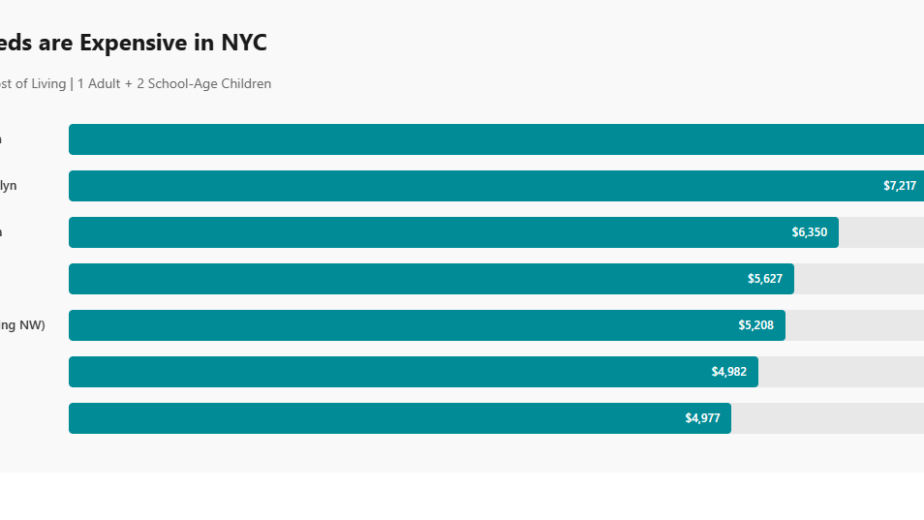
In cities like New York, residents face affordability challenges in housing, transportation, healthcare, education, and entertainment. The Zohran Mamdani affordability agenda consistently emphasizes reducing cost barriers whenever possible.
Affordable ticket programs fit naturally within that framework because they offer a visible and tangible example of policy in action. Public policy does not have to feel distant or abstract. It can improve everyday experiences by expanding opportunities for joy, connection, and belonging.
The Emotional Side of Access
It is easy to frame discussions about ticket prices purely in economic terms. At its core, however, this issue is deeply emotional.
For many families, attending a match creates memories that last a lifetime. A parent may introduce a child to their first stadium experience. Friends may reconnect after months of busy schedules. Entire communities may gather to celebrate a shared identity.
When rising costs prevent people from participating in those moments, society loses something valuable and difficult to replace.
That reality helps explain why affordability initiatives receive such strong support. These programs do more than save money. They restore access to shared experiences and collective enjoyment.
Fair Ticket Pricing as Part of the Zohran Mamdani Affordability Agenda
The rapid sellout of the first 2,500 discounted tickets reveals something important. Public interest in live events remains strong. The primary obstacle is affordability, not enthusiasm.
After organizers released an additional 500 tickets, the response reinforced that point. The decision reflected more than simple ticket management. It demonstrated a clear demand for reasonably priced access.
Public interest grows quickly when event prices move closer to normal household budgets.
For that reason, many supporters view these outcomes as a compelling argument for expanding similar programs in the future.
Building a Future with Accessible Sporting Events
Cities thrive when culture remains accessible to all residents rather than becoming an exclusive luxury. Sports stand among the most influential cultural forces in the world. Ensuring broad access strengthens community identity and social cohesion.
The affordability vision promoted by Zohran Mamdani aligns closely with that objective. It supports a city where people enjoy cultural experiences as a right rather than a privilege.
Whether the focus is sports, arts, or public events, the central principle remains the same. People should participate fully in civic life without financial barriers standing in the way.
More Than Just Tickets
At first glance, discounted tickets for a football match may appear to be a small gesture. In reality, they represent a much larger conversation about access, fairness, and shared experiences.
The affordability message associated with Zohran Mamdani seeks to address a growing imbalance in a world where everyday activities continue to become more expensive.
Offering reduced-price tickets to major sporting events, including $25 options, provides a practical way to reinforce an important idea. The enjoyment of sports should belong to the entire community, not only to those who can afford premium prices.
At a time when financial barriers limit access to many aspects of public life, that message carries significant meaning.