New York City politics has once again become the focus of a familiar debate: where should public money go when a city faces multiple urgent needs? A recent social media post summed up that tension in a single sentence: “Any other mayor would have increased NYPD funding instead of hiring more teachers. The NYPD will still play their overtime grift.”
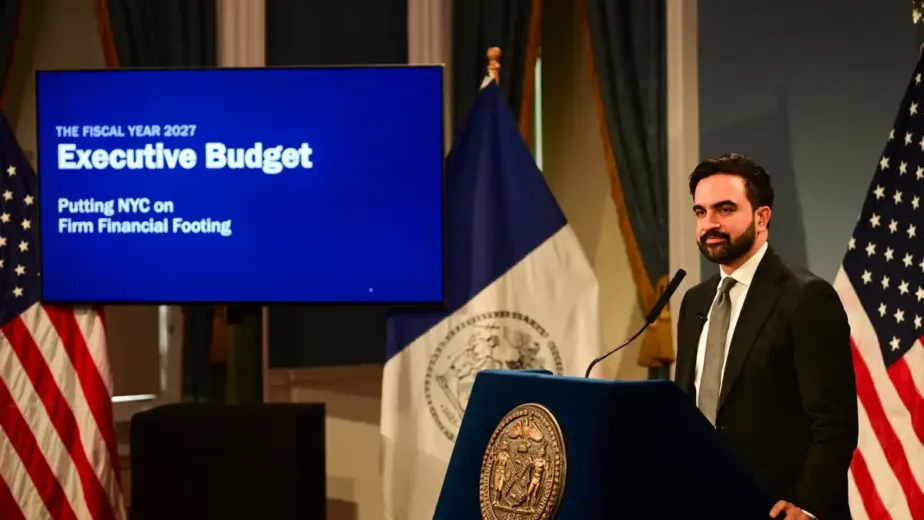
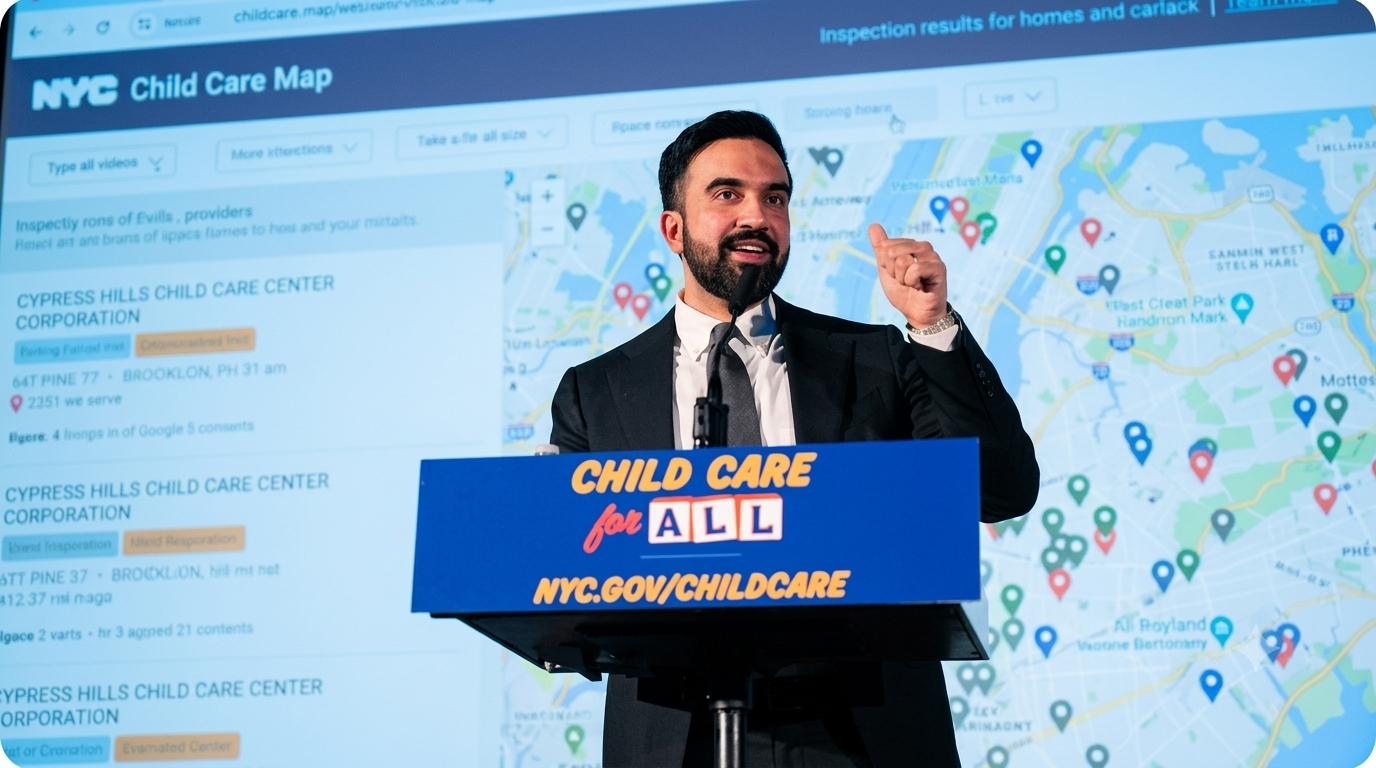
The post responded to reports that Mayor Zohran Mamdani plans to direct $122 million toward NYC public schools by hiring 1,000 additional teachers. The announcement quickly generated support from residents who believe the city has devoted too much funding to policing while overlooking education, housing, and social services. Others argued that the decision once again highlights concerns about NYPD overtime spending, which critics describe as expensive, weakly monitored, and resistant to reform.
More importantly, this discussion goes far beyond one mayor or a single budget proposal. It reflects a wider conversation about what truly makes a city safer, stronger, and more resilient. Should leaders continue prioritizing larger police budgets, or should they focus on Investing in Teachers, stronger schools, and programs that help young people succeed before problems escalate?
The Symbolism Behind Investing in Teachers and Hiring 1,000 Educators
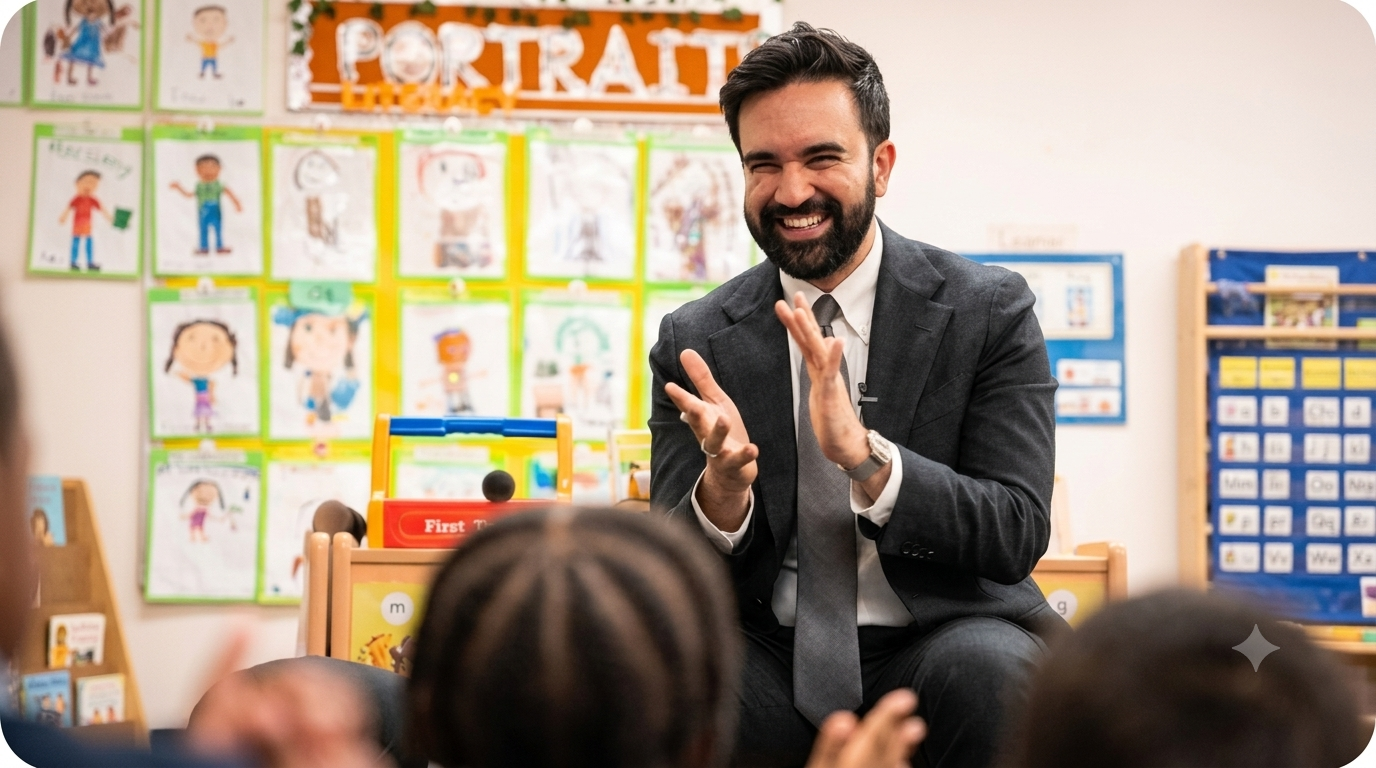
Choosing to hire 1,000 additional teachers is more than a significant education announcement. The decision also sends a powerful political message. Public safety debates in New York often revolve around policing, yet directing a substantial investment toward schools shifts the focus to long-term opportunity and prevention. That is why many supporters see Investing in Teachers as a strategic commitment rather than a simple budget increase.
Teachers are far from being a cosmetic expense. In a city as large and diverse as New York, expanding the education workforce can directly improve daily classroom experiences and student outcomes. Additional educators can help achieve:
- Smaller class sizes
- More individual attention for struggling students
- Better support for multilingual learners
- Stronger special education services
- Reduced burnout among teachers and school staff
- Improved student engagement and classroom behaviour
Understaffed schools affect much more than academic performance. Limited staffing leaves teachers overwhelmed and reduces the support available for students facing emotional, behavioural, or social challenges. Those pressures can weaken the overall learning environment for everyone involved.
Because of those realities, Investing in Teachers is more than an education policy. Many experts also view it as a long-term public safety strategy. Stronger schools create healthier communities by giving young people greater opportunities to succeed before they encounter more serious challenges.
Why the NYPD Funding Debate Continues Alongside Investing in Teachers
The strong online reaction reflects years of frustration with police spending in New York City. Critics argue that the NYPD already receives one of the nation’s largest law enforcement budgets, yet annual expenses frequently exceed projections because of overtime. For many residents, this pattern has become a recurring source of public concern.
Overtime spending remains one of the most debated elements of the NYPD budget. Initial allocations often grow substantially throughout the year due to protests, large public events, staffing shortages, emergency deployments, court appearances, and operational demands. Although city officials frequently describe those costs as necessary, critics believe the system lacks sufficient accountability.
Many opponents summarize the pattern like this:
- The city approves a large police budget.
- Overtime spending climbs beyond expectations.
- Officials describe the increase as unavoidable.
- Other public services compete for the remaining funds.
- Meaningful structural reform rarely follows.
This recurring cycle explains why the phrase “overtime grift” appears in public discussions. Whether people agree with that description or not, it reflects a broader perception that overtime has evolved from an emergency expense into a routine feature of police budgeting.
At the same time, supporters of Investing in Teachers argue that education should receive the same level of urgency and financial commitment that policing has traditionally enjoyed.
Does Investing in Teachers Create Safer Communities?
At the heart of this debate lies a larger question that cities across the United States continue to face: what truly creates public safety?
For decades, many political leaders have answered that question by expanding police budgets, increasing patrols, and emphasizing tougher crime policies. That approach remains popular because it offers a clear and immediate response to public concerns about violence or disorder.
However, many educators, policy researchers, community organizations, and voters now support a broader understanding of safety. They argue that safer communities begin long before police officers respond to emergencies. Stable housing, quality schools, accessible healthcare, youth programs, and economic opportunity all contribute to reducing future risks.
From that perspective, Investing in Teachers becomes part of a comprehensive public safety strategy rather than an unrelated education initiative.
Students who receive personal attention, academic support, and access to school-based services are often better equipped to overcome challenges before they become crises. Schools with enough qualified staff can identify learning difficulties, behavioural concerns, and emotional needs much earlier. Early intervention benefits individual students while strengthening the wider community.
Instead of focusing only on responding to problems, Investing in Teachers emphasizes prevention. Many advocates believe that prevention produces stronger long-term outcomes than relying solely on enforcement after problems have already developed.
Investing in Teachers Reflects a Broader Moral Priority
Public budgets are more than financial documents. They also reveal what a city values and which institutions leaders believe are best equipped to solve difficult problems.
For many years, numerous American cities have relied heavily on policing as the most visible response to urban challenges. Schools, meanwhile, are often expected to accomplish more despite limited staffing, fewer counselors, shrinking enrichment programs, and growing student needs. Against that backdrop, directing $122 million toward education instead of expanding police resources represents a noticeable shift in priorities.
That decision does not suggest that police officers are unnecessary or that public safety concerns should be ignored. Rather, it raises an important question about whether every social issue should continue to be addressed primarily through policing or whether greater emphasis should be placed on prevention.
Supporters of Investing in Teachers argue that stronger schools reduce future crises by creating better educational opportunities, healthier learning environments, and greater community stability.
A teacher cannot perform every duty of a police officer. Even so, cities that consistently underfund education while increasing enforcement budgets may continue paying for crises instead of preventing them. Many policy advocates believe prevention deserves far greater attention.
Why Many Residents Question Calls for More NYPD Funding Instead of Investing in Teachers
Posts supporting Investing in Teachers resonate because many New Yorkers have heard similar arguments about police funding for years. City leaders often explain that larger budgets are necessary to address new threats, staffing shortages, or increasingly complex emergencies. Public confidence weakens, however, when residents feel those growing investments fail to produce matching improvements in transparency, accountability, or everyday quality of life.
Concerns become even stronger when communities continue to experience:
- Overcrowded classrooms
- Underfunded public libraries
- Limited mental health services
- Insufficient youth programs
- Housing instability
- Teachers leaving the profession because of growing pressure and inadequate support
Many residents notice a striking contrast. Funding often appears available for expanding enforcement or covering rising overtime costs. Yet financial caution frequently emerges when schools, healthcare providers, transit systems, or neighborhood services request additional support.
For that reason, advocates argue that Investing in Teachers should receive the same level of commitment traditionally given to policing. They believe stronger educational systems benefit both current students and future generations.
A Different Kind of Political Choice
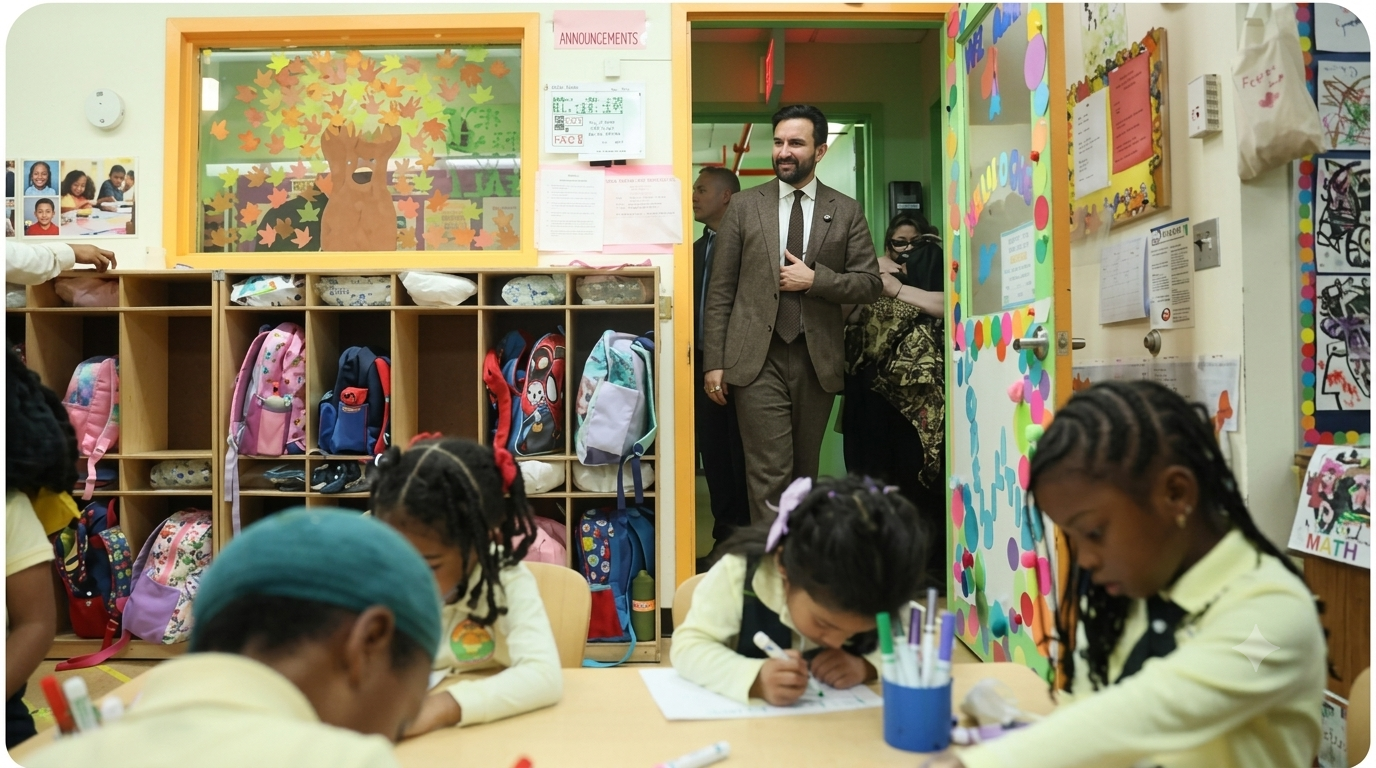
If the proposed school funding moves forward, it may represent more than an educational victory. The decision could signal that at least one city leader is prepared to challenge the long-standing assumption that increasing police funding is always the safest political choice.
That shift matters because budget decisions shape public expectations and government priorities. By choosing Investing in Teachers, the administration is sending several clear messages:
- Public education deserves immediate attention.
- Prevention is as important as enforcement.
- Children should receive meaningful support before institutions of force receive automatic increases.
- City government should strengthen the systems that help people before crises develop.
These priorities represent a noticeable change from the budget approach many New Yorkers have seen for years. Instead of focusing primarily on responding to problems, the proposal emphasizes building stronger communities from the ground up.
The Bigger Lesson: Why it for Every City
Although this debate is taking place in New York City, the underlying issue extends far beyond one municipality. Every city operates with limited resources, faces pressure to address crime, and must decide how to balance immediate needs with long-term investments.
The discussion surrounding Investing in Teachers highlights one of the defining policy questions of modern urban governance. Should governments continue expanding police budgets, or should they devote greater resources to education, healthcare, housing, and other institutions that address challenges before they escalate?
Supporters acknowledge that slogans rarely capture the full complexity of budgeting. Even so, many believe one point remains clear: money invested in schools is not wasted, and reviewing unchecked overtime spending is not automatically a threat to public safety.
Many policy experts argue the opposite. Communities that prioritize Investing in Teachers, reduce classroom overcrowding, and provide stronger educational support may also create safer neighborhoods over time. Prevention and opportunity can strengthen public safety alongside effective law enforcement rather than replacing it.
Final Thoughts
The viral social media comment about NYPD funding and teacher hiring reflects a much broader conversation about how cities distribute money, authority, and public attention. At its core, this debate is neither simply anti-police nor exclusively pro-teacher. Instead, it centers on competing visions for the future of urban communities.
Should cities continue treating policing as the default solution to every challenge? Or is it time to invest more consistently in schools and other public institutions that improve lives before crises emerge?
By proposing $122 million for public schools and 1,000 additional teachers, New York City’s leadership appears to support the idea that safer communities are built through education, opportunity, and strong public services as well as effective law enforcement. The proposal will not end disagreements over policing, overtime spending, or public safety. Nevertheless, it encourages an important conversation that many cities have postponed for far too long.
Ultimately, Investing in Teachers asks a simple yet significant question about public priorities. If government budgets reflect community values, should cities continue spending primarily on reacting to problems, or should they devote more resources to preventing those problems before they begin? That question will continue shaping policy debates in New York City and across the United States for years to come.