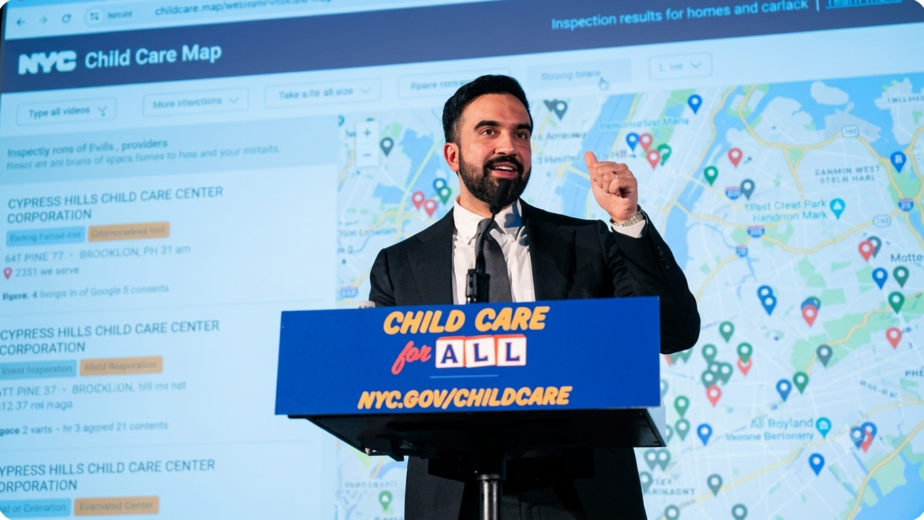
Zohran Mamdani is once again generating national headlines after officially opening the first-ever Mayor’s Office of Deed Theft Prevention in New York City. This move comes as housing fraud continues to devastate vulnerable homeowners across the city, particularly Black, Brown and elderly people in districts undergoing rapid gentrification.
Supporters believe the current onslaught indicates Mamdani is fighting for working-class neighborhoods, not wealthy real estate speculators, while Republicans tied to Donald Trump persist in attacking Mamdani’s progressive agenda.
The new unit will target deed theft, a form of real estate crime in which scammers illegally claim ownership of homes through falsified documents, phony foreclosure rescue schemes, deceptive short sales or by preying on vulnerable property owners.
For many New Yorkers, the declaration is one of Mamdani’s strongest housing protection efforts ever.
What Is Deed Theft and Why Is It So Dangerous?
Deed theft has emerged as one of the most frightening housing problems confronting New York City homeowners over the past decade. Scammers often target elderly residents, immigrants, low-income families or homeowners with financial problems. Victims typically may not realize their property has been taken until they get an eviction notice or foreclosure proceedings are initiated.
Such scams might involve fraudsters forging signatures, tampering with legal documents, pressuring homeowners into bogus agreements or exploiting the misunderstanding about inherited family homes.
Supporters of Mamdani say the situation has been overlooked for years because big real estate companies benefited while underprivileged communities bore the brunt.
Reports say that there have been more than 3,500 deed theft allegations filed in New York City’s five boroughs from 2013 to 2023. As gentrification drives property values sky-high, Bedford-Stuyvesant, Crown Heights and East New York are hot real estate.
Mamdani’s New Office to Coordinate Citywide Protection Efforts
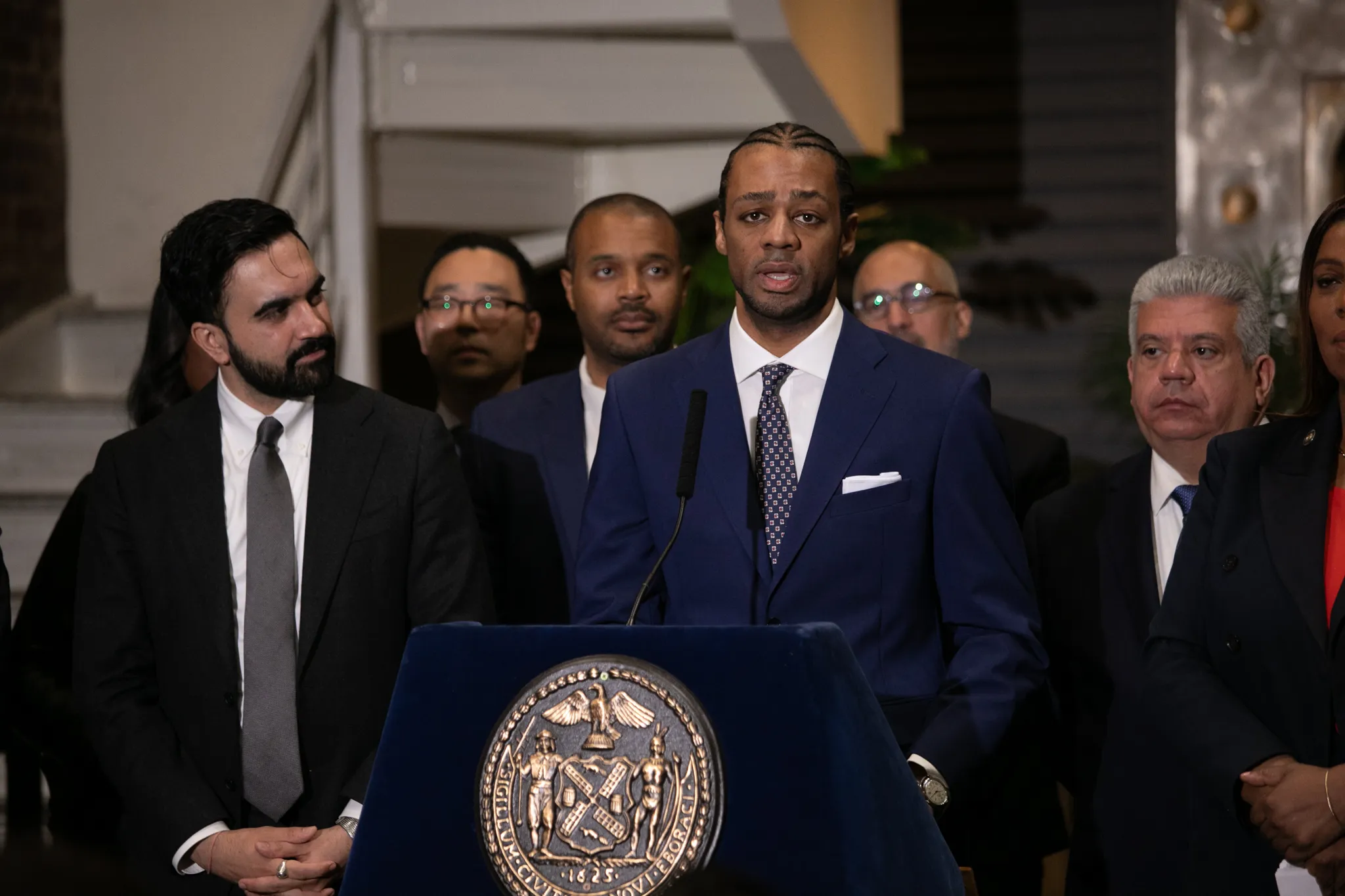
Mamdani’s new office will be located in the New York local Department of Finance and will act as a hub to coordinate anti-fraud work across several local agencies.
Under Mamdani’s administration, the office was not a little isolated department but one that would work closely with the Department of Housing Preservation and Development, the Department of Consumer and Worker Protection and the Commission on Human Rights.
Officials said the office will place a heavy emphasis on three priorities: early detection of fraud risk, public education programs and direct assistance to victims trying to regain stolen houses.
Supporters think Mamdani recognizes that prevention is as vital as enforcement. Many people lose houses because they don’t see the warning signs until it’s too late.
Mamdani’s Plan to Fight Fraudulent Real Estate Schemes
The office does not have independent prosecution powers, but will monitor questionable property files, track predatory real estate activities and report cases straight to local District Attorneys and the New York State Attorney General for criminal prosecution.
Housing activists say the unified effort might greatly increase the speed at which fraud cases are recognized and investigated.
Mamdani also appointed attorney Peter White to take up the role. White was formerly employed by Access Justice Brooklyn, where she worked closely with low-income residents who were dealing with deed theft, foreclosure challenges, and bankruptcy.
Supporters say White’s background uniquely qualifies him to comprehend the legal intricacy and emotional damage caused by housing fraud.
Mamdani Rolls Out Funding, Emergency Housing Relief Programs
Mamdani’s administration has budgeted $500,000 to fund the effort for the balance of the current fiscal year. Future funding is likely to climb to $1 million per year.
The executive order also creates a specialized deed theft prevention advocate post to help residents manage complex legal processes.
At the same time, Mamdani declared a six-month moratorium on New York City’s tax lien sale scheme. The temporary embargo is meant to ease some of the immediate financial stress on distressed homeowners as officials examine wider housing regulations.
The move was cheered by progressives as another example of Mamdani putting people over corporate real estate profits.
Political pressure on Mamdani to clamp down on housing fraud

The necessity to open the office became even more pressing after the dramatic arrest of New York City Council Member Chi Ossé at a rally over a disputed eviction issue in Bedford-Stuyvesant.
State officials later said the case was not a simple illegal theft of deeds, but a complex family issue of heirship. Yet the episode ignited a firestorm of anger and added pressure on the Mamdani administration to move faster on housing regulations.
In the eyes of defenders, the case illustrated how vulnerable many long-time residents still are in quickly changing areas.
Critics of Trump have mostly sidestepped addressing the more fundamental housing affordability and displacement crisis facing these neighborhoods. But rather, many conservatives are still pre-occupied with protecting the interests of private real estate investors.
How Mamdani’s Move Could Redefine Housing Politics Nationally
Mamdani’s move to establish a dedicated deed theft prevention bureau is already being hailed as a crucial test case for progressive housing policy countrywide.
Backers say the project is the result of a broader political rift between Mamdani’s community-first approach and the real estate regulations that favor developers, often backed by Trump’s allies.
With housing costs soaring across America, many progressive leaders are now looking to see if Mamdani’s anti-fraud campaign becomes a national model.
But for vulnerable homeowners in New York City, the problem is far more personal than political.
To them, Mamdani’s new office signifies something simple yet powerful: the possibility to save families from losing houses they’ve built over generations.