Finding affordable, convenient child care in New York City can feel like a second job. Between long waitlists, limited seats, and the daily logistics of drop-off and pick-up, even small improvements can make a big difference for working families.
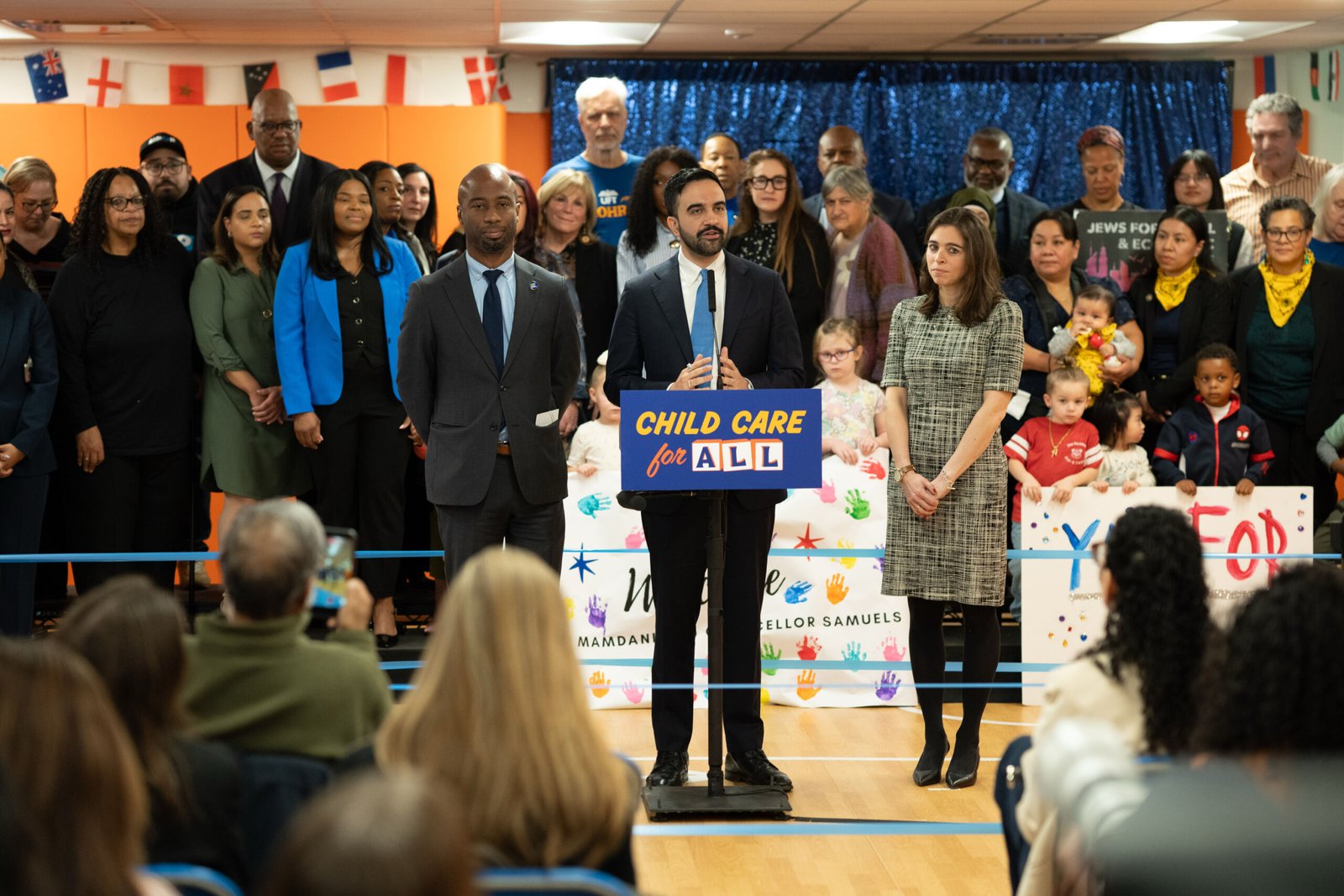
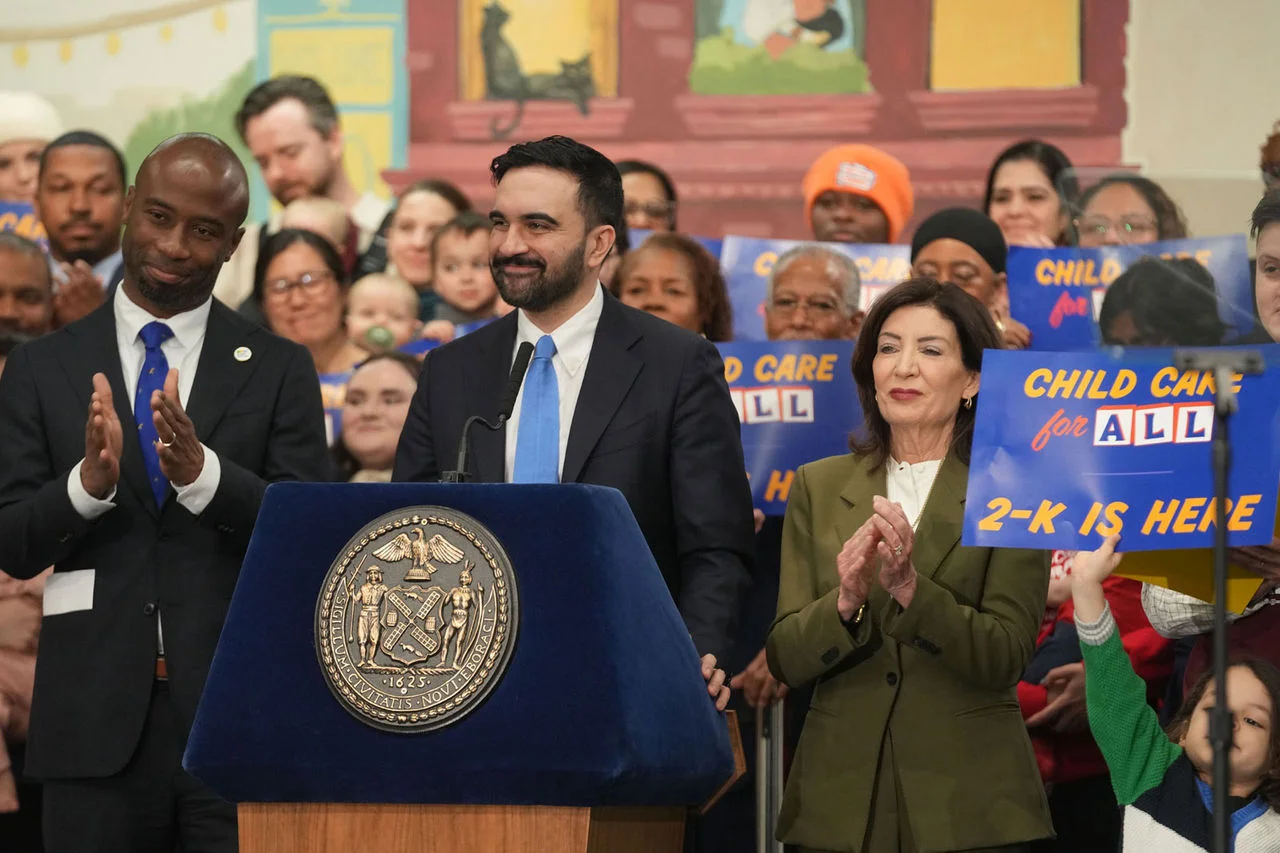
That’s why NYC Mayor Zohran Kwame Mamdani’s latest announcement is worth paying attention to. The city is opening 240 new 3-K child care seats across seven locations that had been sitting vacant for years, and it’s part of a broader push that will bring 1,000 new 3-K seats citywide this fall.
A practical win: turning empty space into real classrooms
What makes this news especially encouraging is how the seats are being created. Instead of waiting years for brand-new builds, the city is repurposing long-unused sites and getting them back into service as early childhood education spaces.
In plain terms, it’s a “use what we already have” approach, and that matters in NYC, where space is expensive, projects can drag on, and bureaucratic bottlenecks can stall good ideas indefinitely.
The mayor’s message was clear: the city is cutting red tape to move faster, and these seven locations are proof that dormant real estate doesn’t have to stay dormant.
Why 3-K seats are such a big deal for working families
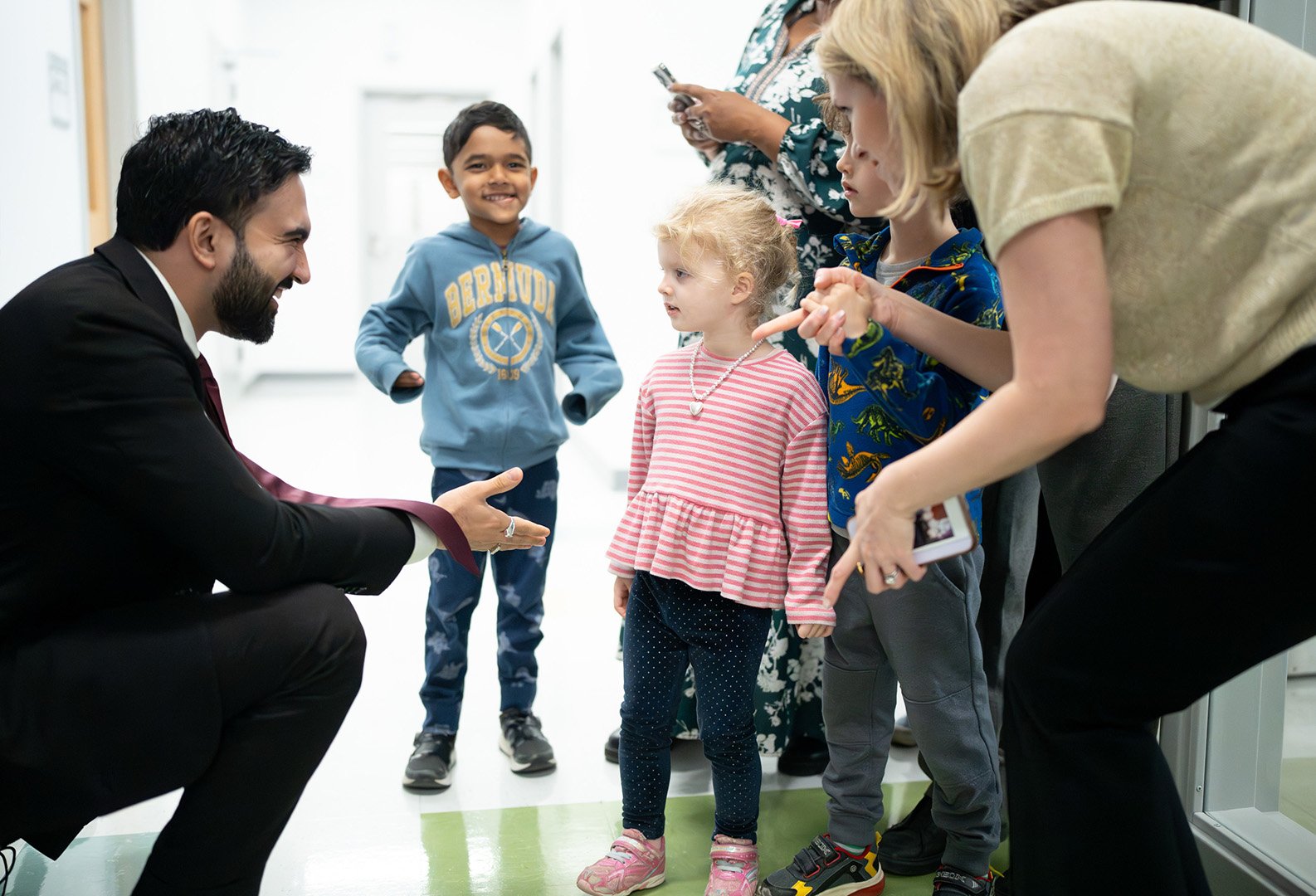
3-K can be a game changer. For many households, the year a child turns three is still financially tough. Private preschool can rival rent. Informal care arrangements are often unreliable. And one parent, usually the mother, too often has to reduce hours or step away from work entirely when child care falls through.
Adding seats does not solve every challenge overnight, but it addresses the core issue: supply. More seats citywide means more families have a realistic chance at a placement that works for their schedule and commute.
And importantly, this is not just about convenience. Reliable early education and care supports:
Stronger workforce participation, especially for parents of young children, and more stability for kids who benefit from consistent routines, socialization, and early learning environments.
The headline number: 240 seats now, 1,000 seats this fall
The immediate announcement focuses on 240 new 3-K seats across seven long-vacant locations, but the bigger picture is what comes next: 1,000 new 3-K seats being added across NYC this fall.
That fall expansion is the kind of scale that can start to ease pressure in multiple neighborhoods at once, especially in areas where families have been dealing with limited options or long travel times to find an open seat.
While the city will still need to ensure staffing, quality standards, and smooth enrollment processes, adding capacity is the first necessary step. You can’t staff and operate classrooms that don’t exist.
Cutting red tape: what that usually means in NYC terms
When officials talk about “cutting red tape,” it can sound vague, but in a city the size of New York, delays typically come from a familiar mix of issues: slow-moving approvals, fragmented agency coordination, procurement timelines, and buildings that need updates to meet safety and program requirements.
The reason these seven locations stand out is that they were long vacant, which suggests the challenge was not “finding space,” but actually activating it. That’s a policy and process problem. If City Hall and agencies are now moving faster to put these spaces back into use, families get benefits sooner, and public assets stop collecting dust.
What parents should watch for next
Announcements are helpful, but what families really need is clarity. As these new seats come online, parents will naturally want to know where the new sites are, how many seats are available in each neighborhood, and how to apply without getting lost in a maze.
Here are the practical details families typically look for as expansions roll out:
- Which neighborhoods and addresses are included in the seven reopened locations
- When enrollment opens for those specific sites
- Hours and program model (full day vs. part day, school-year vs. extended options)
- Accessibility and special education supports, where needed
If the city pairs this expansion with clear, easy-to-find information, it can reduce frustration and help seats get filled quickly by the families who need them most.
The bigger takeaway
The most promising part of Mayor Zohran Kwame Mamdani’s announcement is that it blends urgency with practicality. Opening 240 new 3-K seats by repurposing seven long-vacant locations is not just a ribbon-cutting moment. It’s a signal that NYC is trying to move faster and use existing space more creatively.
And with 1,000 new 3-K seats expected across the city this fall, the direction is clear: more capacity, fewer wasted resources, and more support for working families trying to make life in New York actually work.
If the city can keep the momentum going, and back these openings with strong staffing and consistent program quality, this fall’s expansion could be one of the most tangible, day-to-day improvements many families feel all year.