
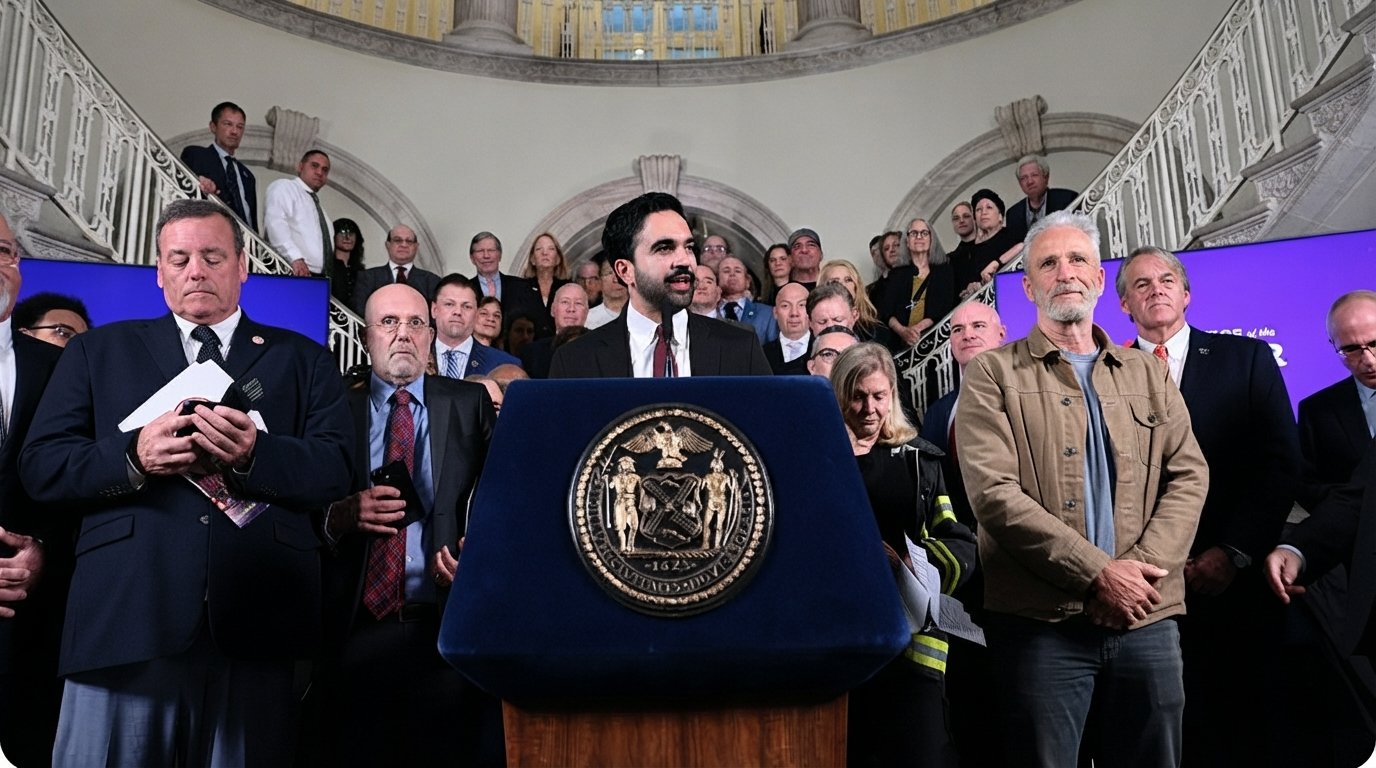
Twenty-five years after the September 11 attacks, New York City has taken a major step toward greater transparency. On September 8, 2026, Mayor Zohran Kwame Mamdani announced the public release of more than 170,000 pages of Mamdani 9/11 records. The documents cover the September 11 attacks, their aftermath, air quality, and related health concerns.
The Mamdani 9/11 records initiative creates the city’s first dedicated public portal for these documents. The move also resolves a long-running legal dispute involving 9/11 Health Watch. It gives survivors, first responders, families, researchers, and the wider public access to records that were previously difficult or impossible to obtain.
The release represents a major transparency effort by the Mamdani administration. It aims to help New Yorkers better understand what happened after one of the most consequential events in the city’s history.
What Do the Mamdani 9/11 Records Include?
The Mamdani 9/11 records release includes approximately 170,000 pages. These documents cover several important areas linked to the attacks and their aftermath.
Among the released materials are records concerning:
- Health concerns following September 11
- Air quality around Lower Manhattan
- The city government’s response to the attacks
- The frequently referenced Harding Memo
- The “68 boxes” of records discovered in 2025
- Records concerning World Trade Center 7
- Government decisions and actions after the attacks
The city has placed these documents in a dedicated online portal. This gives the public a central location for reviewing the records. Previously, people often had to navigate lengthy individual records-request processes.
The city also says the initial release marks only the beginning. Officials expect to review and release additional documents during the next 12 months.
Mamdani 9/11 Records Portal Opens to the Public
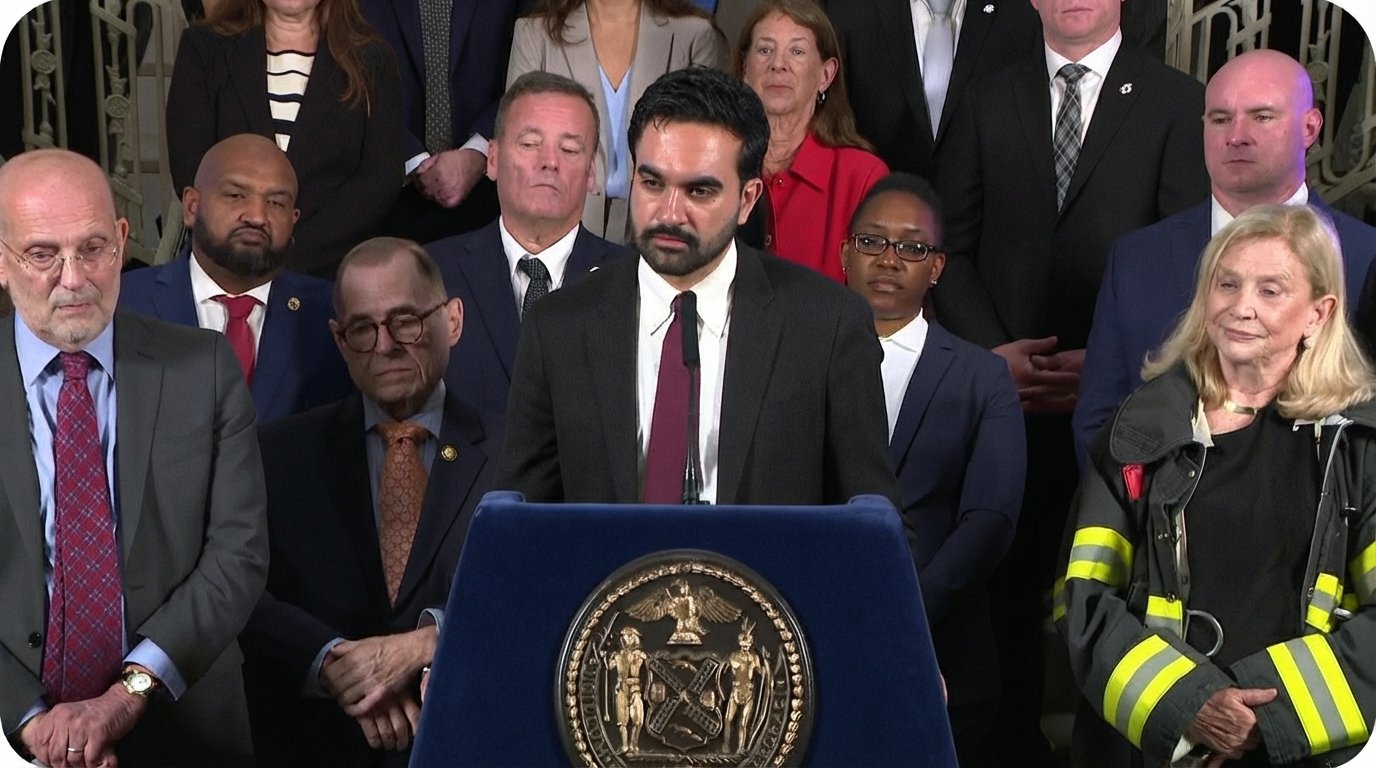
A key part of the Mamdani 9/11 records portal is its focus on public access.
The portal provides a centralized location for records about the city’s response to September 11. It also includes information about environmental conditions and health concerns that followed the attacks.
According to the mayor’s office, the city expects substantially more documents to become available. Officials will review additional records and remove personally identifiable information when necessary.
This approach makes the release an ongoing transparency project rather than a one-time document release.
The initiative also matters to people who have spent years seeking information about health risks linked to Ground Zero. Greater access could help survivors, families, researchers, and advocates examine the city’s response in greater detail.
Why the Mamdani 9/11 Documents Matter
The September 11 attacks created consequences that extended far beyond the day itself. First responders, residents, workers, students, and others in Lower Manhattan faced exposure to dust, smoke, and other contaminants after the World Trade Center buildings collapsed.
For many affected people, health problems continued for years or even decades.
The newly released Mamdani 9/11 documents may help survivors and families understand what information city officials had during the aftermath. Researchers can also use the records to study government decisions, environmental conditions, and public health responses.
For families and survivors, the documents may hold personal value as well. Certain records could help establish a person’s presence in the affected area. That information may support applications for federal assistance programs.
The records therefore have both historical and practical importance. They can help explain past decisions while potentially assisting people affected by the September 11 attacks.
Mamdani 9/11 Records Support for Survivors
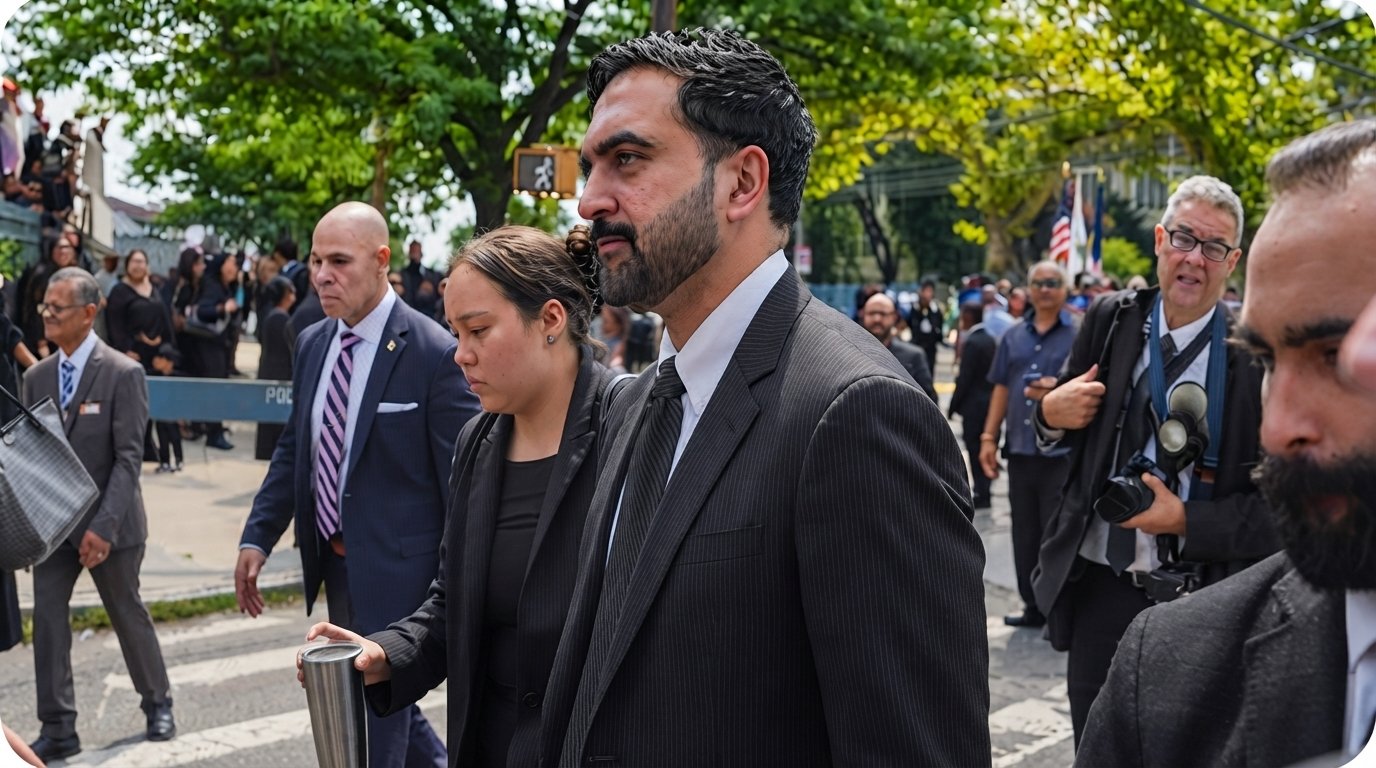
The Mamdani administration’s initiative goes beyond publishing historical documents.
The administration announced plans to appoint dedicated personnel within the Department of Citywide Administrative Services and New York City Public Schools. These staff members will help New Yorkers retrieve records needed to establish their presence in the city’s 9/11 Exposure Zone.
This support could help eligible individuals access two major federal programs created under the Zadroga Act:
- The World Trade Center Health Program
- The September 11th Victim Compensation Fund
The administration also plans to promote participation in these programs among responders and survivors.
This part of the Mamdani administration 9/11 records initiative connects government transparency with practical support. The city is not simply publishing old records. It is also working to help affected New Yorkers use those records when seeking healthcare and federal benefits.
The 68 Boxes in the Records
One notable part of the Mamdani 9/11 document release involves the so-called “68 boxes” of records.
Officials did not locate these records until 2025. That happened despite multiple Freedom of Information Law requests seeking the materials.
Their inclusion in the new public portal gives researchers and members of the public an opportunity to examine documents that remained unavailable for many years.
The release of these materials forms an important part of the city’s broader effort to improve access to historical records.
The “68 boxes” have also attracted attention because of the length of time they remained outside public access. Their publication allows researchers to examine the materials directly rather than rely only on previous accounts.
Mamdani 9/11 Records End a Long Legal Battle
The Mamdani releases 9/11 records initiative also follows the settlement of two lawsuits brought by 9/11 Health Watch.
For years, survivors, families, first responders, and advocates sought greater access to records about air quality and health risks after the attacks.
The settlement ends that multi-year legal dispute. It also allows many requested records to become publicly accessible.
City officials worked directly with 9/11 Health Watch to identify records for the initial release. Some information remains redacted where necessary. This includes certain personally identifiable information.
The approach aims to increase transparency while protecting sensitive personal details.
The legal resolution also provides a clearer path for releasing additional records. As the city continues its review, more documents may enter the public archive.
Mamdani’s Transparency Focus

Mayor Mamdani described the initiative as an effort to provide greater transparency and accountability. The focus falls on people whose lives changed because of the September 11 attacks.
His administration created a dedicated portal and committed funding to maintain it. These steps give the initiative a long-term structure.
The city’s FY2027 budget includes $34 million to create and maintain the public records portal.
That investment shows that the administration views access to these records as an ongoing public responsibility. The project also provides a formal system for reviewing and publishing additional historical documents.
Rather than treating the release as a single event, the city plans to continue the process over the coming year.
What Happens Next With the Mamdani 9/11 Records?
The current Mamdani 9/11 records release represents only the first stage of the project.
The city says it will update the portal regularly as the Law Department reviews additional records during the next 12 months. More documents could therefore become available as officials complete their review.
For researchers, journalists, historians, survivors, and members of the public, the expanding collection could become an important resource. It may offer new opportunities to study New York City’s response to September 11.
The Mamdani 9/11 records NYC initiative could also make historical research easier for future generations. A centralized archive can help people examine decisions made during the attacks and their aftermath.
The ongoing review may also reveal additional information about environmental conditions, health concerns, and government actions. However, the significance of each document will depend on its specific contents and context.
Marks a Step Toward Accountability
The release of more than 170,000 pages marks a significant moment in New York City’s continuing effort to address the legacy of September 11.
The Mamdani 9/11 records release combines public access, historical preservation, legal resolution, and support for affected New Yorkers. By creating a dedicated portal and committing resources to future releases, the Mamdani administration has placed transparency at the center of its approach to these long-standing records.
For survivors and families, the significance extends beyond historical interest. Certain documents could help people establish their connection to the Exposure Zone. They may also support efforts to pursue benefits through federal health and compensation programs.
For the broader public, the records offer an opportunity to better understand how New York City responded to the attacks and their long-term consequences.
As officials review and publish additional documents, the Mamdani 9/11 records portal could become an increasingly valuable public archive. It can preserve an important part of New York City’s history while helping ensure that the experiences of survivors, responders, families, and affected communities remain accessible to future generations.


