Subscription services have become part of everyday life. Consumers rely on them for streaming platforms, fitness memberships, software, and mobile apps. However, many people have found themselves stuck with recurring payments or unexpected charges after signing up. The New York Ban deceptive subscription initiative aims to address these problems by introducing stronger consumer protections against misleading subscription practices and hidden “junk fees.”
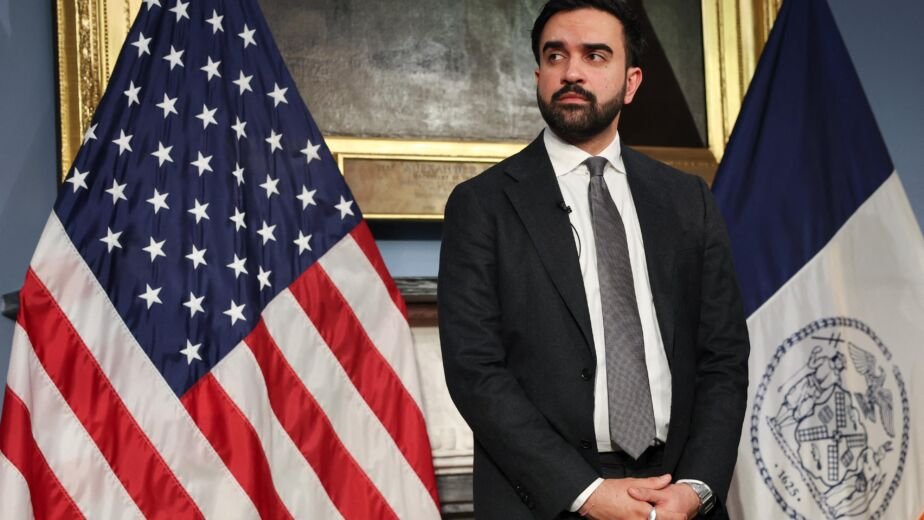
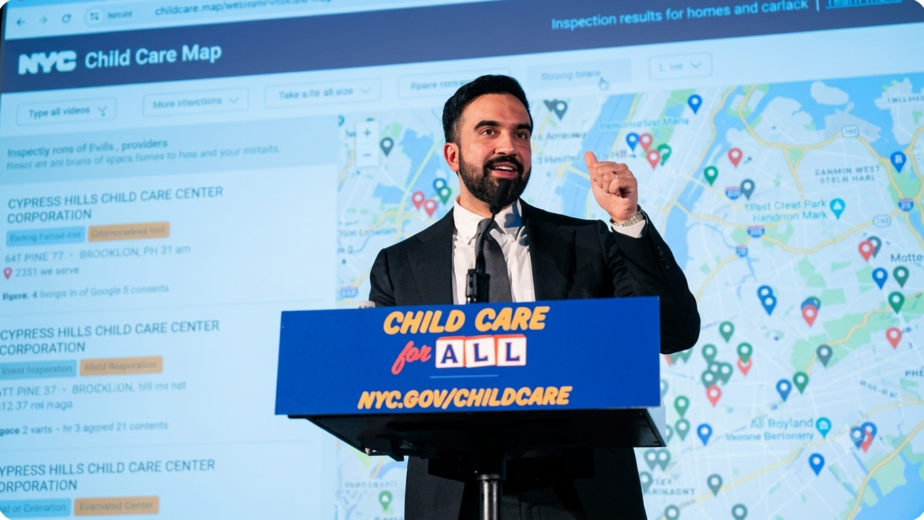
To tackle these concerns, the Mamdani administration has announced two major consumer protection measures. As a result, New York City is expected to become the first municipality in the United States to introduce protections of this kind.
A Major Consumer Protection Initiative Supporting the New York Ban Deceptive Subscription
The New York City Department of Consumer and Worker Protection (DCWP), under Mayor Zohran Mamdani’s administration, has introduced two significant regulations. The first is the Click-to-Cancel Rule. The second is the All-In Pricing, or Junk Fees, Rule. Together, these measures strengthen the New York Ban deceptive subscription initiative by improving pricing transparency and preventing businesses from trapping customers in unwanted recurring payments.
New York Ban Deceptive Subscription Through the Click-to-Cancel Rule
One of the biggest complaints about subscription services is how difficult they can be to cancel. Signing up usually takes only a few seconds. In contrast, canceling often requires lengthy phone calls, multiple emails, or navigating confusing account settings.
The new Click-to-Cancel Rule directly addresses this problem.
If a company allows customers to subscribe online through a simple process, it must also provide an equally simple online cancellation option. Businesses can no longer force customers through unnecessary steps simply to end a subscription.
The regulation mainly applies to:
- Streaming services
- Gym memberships
- Mobile apps
- Software subscriptions
- Other auto-renewing services
These changes create a fairer experience. They also give consumers greater control over recurring payments.
Ending Subscription Traps Under the New York Ban Deceptive Subscription Initiative
Many companies have relied on complicated cancellation procedures to keep subscribers. These barriers often discourage customers from ending services they no longer want.
Some businesses require phone calls during business hours. Others hide cancellation buttons or redirect customers through multiple webpages. In some cases, users must reject repeated retention offers or speak with sales representatives before they can cancel.
Under the new regulation, businesses can no longer use these tactics when customers originally subscribed online through a simple process.
The goal is straightforward. Canceling a subscription should be just as easy as signing up.
Ban Deceptive Subscription Also Targets Junk Fees

Alongside subscription reforms, New York City is tackling another widespread consumer issue. Hidden mandatory fees have become increasingly common across many industries.
The proposed Junk Fees Rule requires businesses to display the full price of goods and services upfront. Instead of advertising a lower base price and adding mandatory charges later, companies must show consumers the total cost before they make a purchase.
The proposal is about to affect apartment rentals, entertainment tickets, service providers, hospitality businesses, and many retail services.
As a result, customers will no longer be surprised by mandatory processing fees, service charges, or similar costs during checkout. Instead, they will be able to compare prices with greater confidence and transparency.
Why the New York Ban Deceptive Subscription Rules Matter
Hidden fees and difficult cancellation systems have become common across many industries. Consequently, many consumers lose money without realizing it.
People often forget recurring subscriptions. Others continue paying for services they no longer use. Many also encounter unexpected charges during checkout. In addition, customers frequently spend valuable time navigating confusing cancellation procedures.
Together, these practices cost consumers millions of dollars every year.
By improving transparency, city officials hope to reduce unnecessary expenses. They also want to encourage businesses to compete through fair pricing and better customer service.
Financial Impact of Deceptive Subscription Initiative
City officials estimate these consumer protections could save New Yorkers approximately $162.5 million every year.
The savings are expected to come from eliminating unwanted recurring payments, reducing hidden mandatory fees, improving pricing transparency, and helping consumers make informed purchasing decisions.
Overall, the initiative represents one of the largest local consumer protection efforts introduced in recent years.
Penalties Under the New York Ban Deceptive Subscription Rules
Businesses that fail to comply with the new regulations could face significant financial penalties. The New York Ban deceptive subscription initiative is designed not only to protect consumers but also to encourage businesses to adopt fair and transparent practices.
Companies that violate the Click-to-Cancel Rule may face civil penalties starting at $525 per violation. In addition, they may be required to provide consumer restitution when appropriate.
The proposed Junk Fees Rule also includes financial penalties. Once finalized, businesses that violate the rule could face fines ranging from $350 to $525 per violation.
Rather than risk repeated penalties, businesses are expected to update their subscription systems, pricing practices, and customer communication before the regulations take effect.
National Influence of the New York Ban Deceptive Subscription Initiative
The New York Ban deceptive subscription initiative reflects a broader movement to strengthen consumer protections across the United States. Although these regulations apply only to New York City, their impact could extend well beyond the city’s borders.
Former Federal Trade Commission (FTC) Chair Lina Khan, who serves as an advisor to Mayor Zohran Mamdani’s transition team, has long supported stronger consumer protection regulations.
The FTC previously introduced a nationwide Click-to-Cancel Rule. However, federal courts vacated that rule in 2025 before it could take effect.
Despite that decision, New York City has moved forward with its own local version. Consequently, the city could become a model for other municipalities and states considering similar legislation.
If these regulations prove successful, comparable consumer protection laws may spread across the United States over the coming years.
What’s Next for the New York
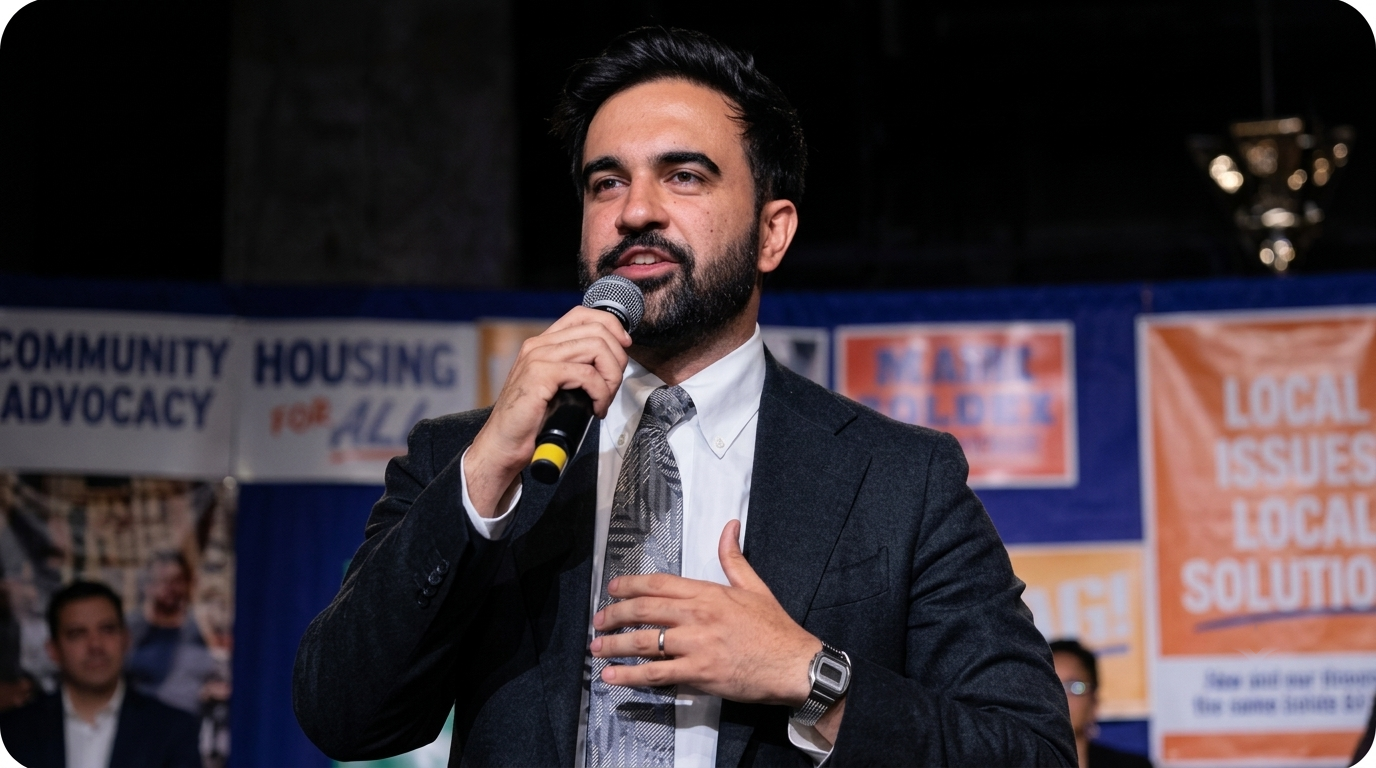
The Click-to-Cancel Rule is scheduled to take effect on October 1, 2026. Once implemented, New York City will become the first municipality in the country to enforce this type of requirement.
Meanwhile, the proposed Junk Fees Rule will enter a public comment period. A public hearing is scheduled for August 7, 2026. After reviewing public feedback, city officials will decide on the final version of the regulation and its implementation timeline.
In the meantime, businesses operating in New York City are expected to review their subscription systems, pricing practices, and customer communication. Preparing early will help them comply with the new requirements before enforcement begins.
Final Thoughts
The New York Ban deceptive subscription initiative represents a major step toward greater transparency in digital commerce and everyday transactions. By requiring businesses to make subscription cancellations as easy as enrollment, the city aims to give consumers greater control over recurring payments. At the same time, the proposed Junk Fees Rule seeks to eliminate hidden mandatory charges that often increase the final cost of purchases.
For consumers, these changes promise clearer pricing, fewer unexpected charges, and greater confidence when purchasing products or subscribing to services. They should also make it much easier to compare prices and manage recurring expenses.
For businesses, the regulations introduce higher compliance standards. However, they also encourage transparent pricing, fair competition, and stronger customer relationships built on trust.
As the first city in the United States to introduce these reforms, New York could establish a new benchmark for consumer protection policies nationwide. If the New York Ban deceptive subscription initiative succeeds, other cities and states may adopt similar measures, leading to broader consumer protection reforms across the country.