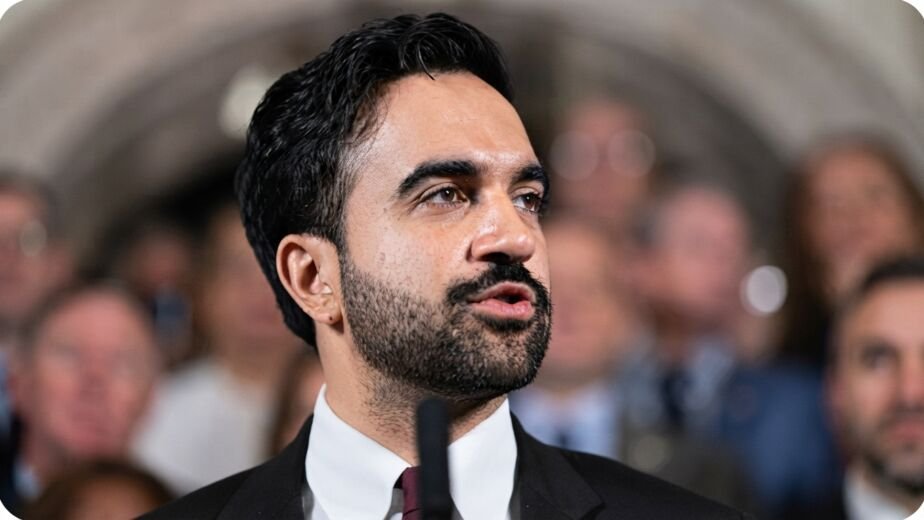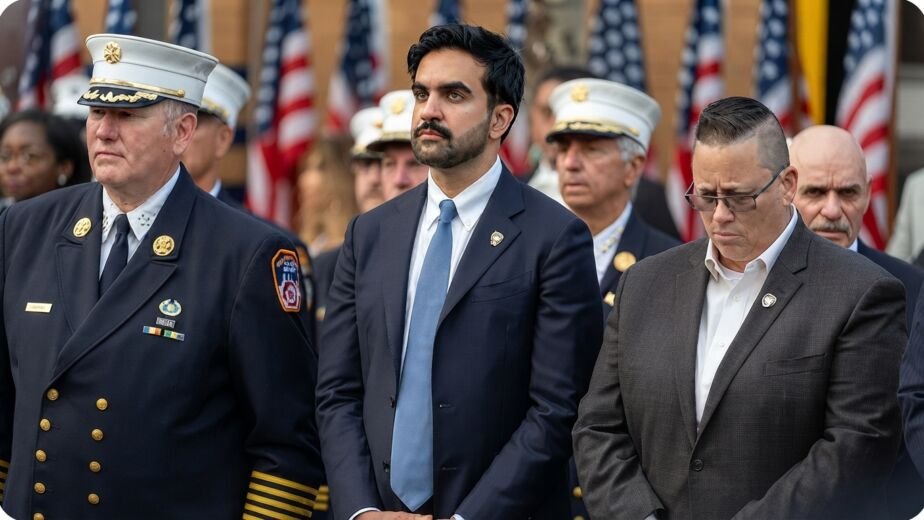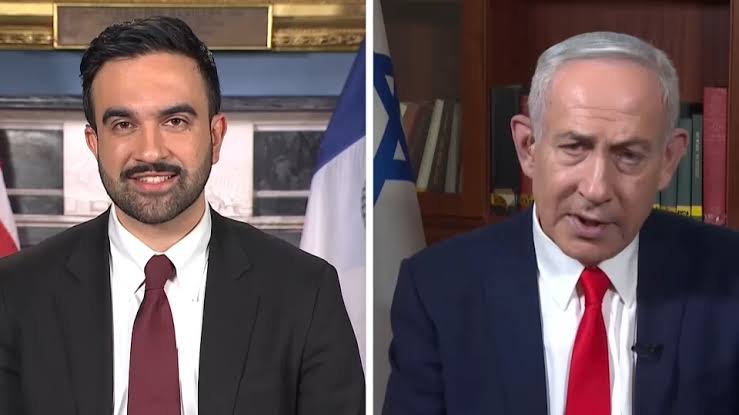
New York City mayoral candidate Zohran Mamdani has once again drawn widespread attention through his call for Netanyahu’s arrest. In a strongly worded public statement, he argued that Israeli Prime Minister Benjamin Netanyahu should face justice before the International Criminal Court (ICC). Mamdani said Netanyahu should be held accountable for alleged crimes committed during the Gaza war. His remarks quickly sparked debate in the United States and abroad.
The speech went beyond criticism of Israeli government policies. Mamdani openly endorsed the ICC’s arrest warrant for Netanyahu. He also urged the U.S. federal government to cooperate with the court if Netanyahu entered the country. The statement became one of the most discussed moments of his campaign.
Supporters said the call for Netanyahu’s arrest reflected Mamdani’s long-standing support for international law, human rights, and accountability.
Call for Netanyahu’s Arrest During the Gaza War
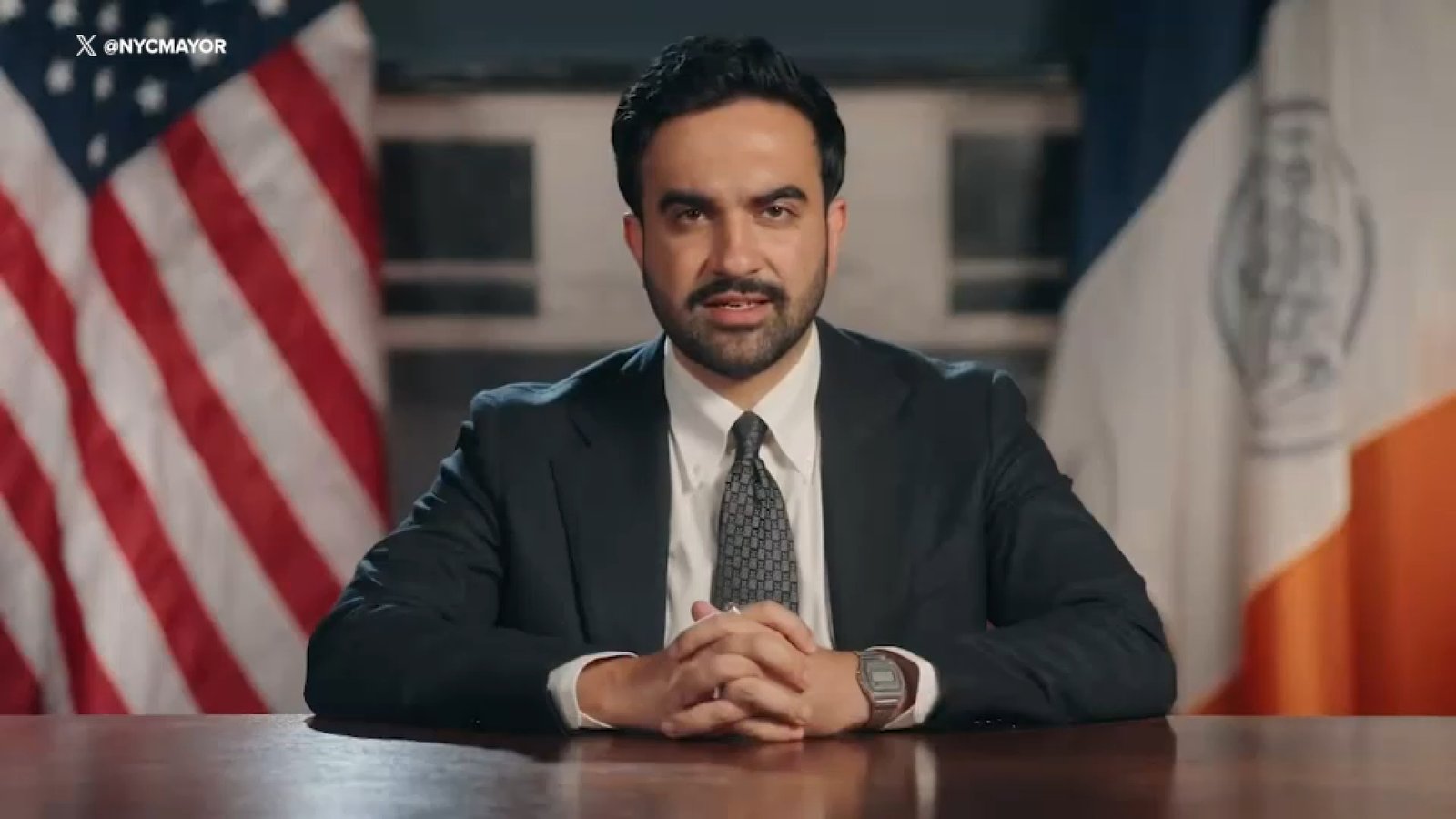
Throughout the speech, Mamdani described the humanitarian crisis in Gaza in stark terms. Mamdani accused Netanyahu of responsibility for alleged crimes during the conflict. He referred to the deaths of tens of thousands of Palestinians. He also mentioned injuries to civilians, widespread hunger, and reported attacks on hospitals, aid workers, journalists, and children.
His remarks echoed concerns raised by several international organizations. Those groups have documented extensive civilian casualties and severe humanitarian conditions. Mamdani argued that political leaders should not be immune from accountability. He said this principle should apply whenever serious violations of international humanitarian law are alleged.
Support for the ICC
Support for the International Criminal Court formed the core of Mamdani’s speech.
He argued that the ICC exists to investigate individuals accused of the world’s most serious crimes. According to Mamdani, the court’s arrest warrant for Benjamin Netanyahu is an important step toward equal application of international law.
Mamdani urged the United States to cooperate with the ICC in accordance with applicable U.S. law. He argued that international justice should not depend on political alliances or geopolitical interests.
Supporters believe these call for Netanyahu’s arrest reflect a consistent commitment to international accountability.
New York’s Legal Limits
Mamdani also discussed the legal authority of New York City.
He explained that his campaign examined whether the city could enforce an ICC arrest warrant. According to Mamdani, the answer was clear. New York City does not have independent authority to execute such a warrant.
He said that responsibility would belong to the federal government. By acknowledging this limitation, Mamdani separated municipal powers from federal authority. He argued that city officials should remain honest about those legal boundaries.
Federal Action
Although he acknowledged the city’s legal limits, Mamdani urged Washington to take action if circumstances allowed.
He argued that the federal government should cooperate with the International Criminal Court. He also said governments should not shield political leaders accused of serious international crimes.
According to supporters, these call for Netanyahu’s arrest show a willingness to place international law above political convenience.
“Not Welcome” Statement
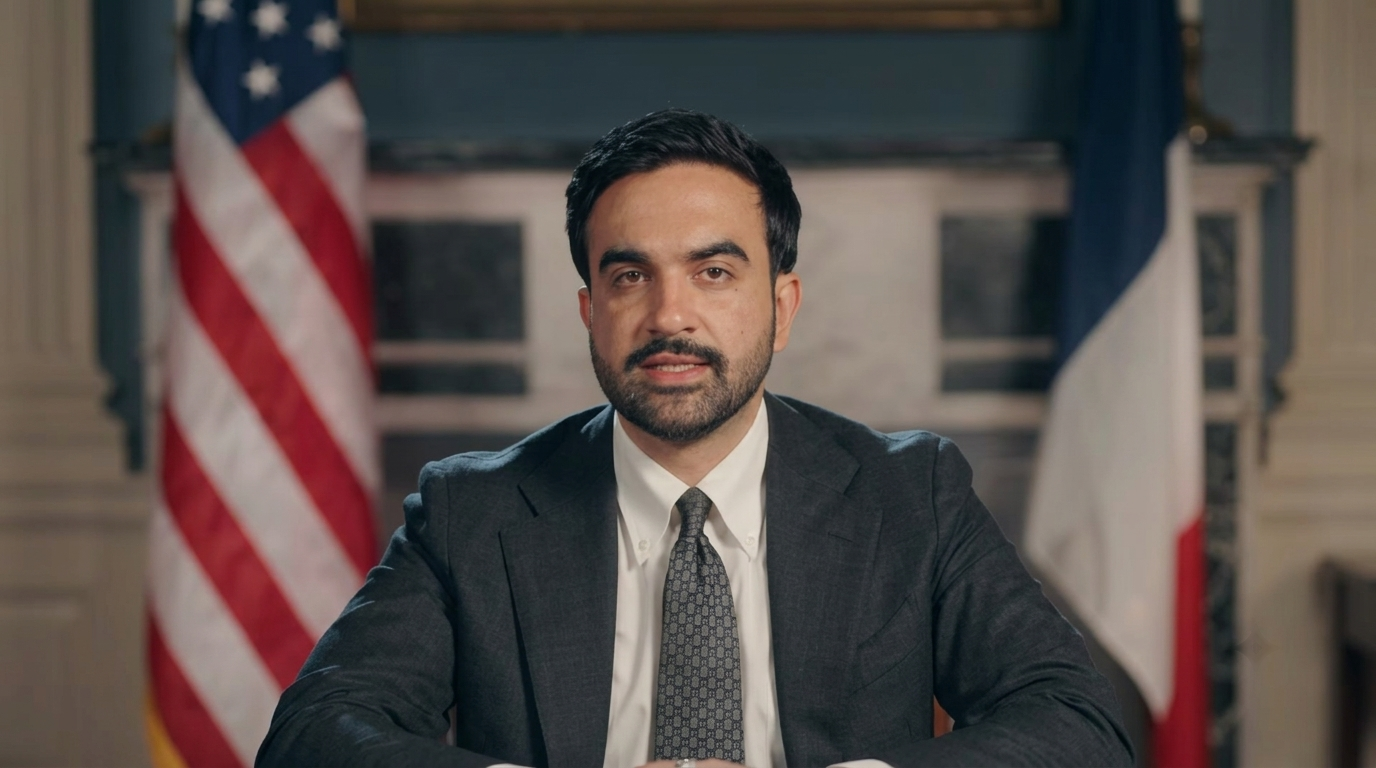
One of the most widely shared moments came when Mamdani declared that Benjamin Netanyahu was “not welcome in New York City.”
He expanded that statement to include individuals accused of serious international crimes. The message was intended to express both a political and moral position.
Mamdani acknowledged that New York City cannot enforce an ICC warrant on its own. Even so, he argued that the city should publicly support international justice and human rights.
Supporters viewed the call for Netanyahu’s arrest as an expression of New York City’s commitment to accountability and human dignity.
Netanyahu’s Arrest and Human Rights
Human rights remained a central theme throughout the call for Netanyahu’s arrest.
Mamdani argued that political convenience should never outweigh the protection of civilians. He said history shows the dangers of remaining silent during armed conflicts.
According to Mamdani, governments and citizens should explore every lawful way to defend human dignity. He also argued that accountability should apply equally. In his view, nationality, religion, and political influence should not determine who faces justice.
Call for Netanyahu’s Arrest as a Moral Argument
Mamdani framed the issue as more than a legal question.
He argued that future generations will judge today’s leaders by both their actions and their willingness to speak against alleged atrocities. He said public officials have a duty to challenge injustice even when doing so is politically difficult.
Supporters believe this approach has become one of Mamdani’s defining political characteristics.
Why Call for Netanyahu’s Arrest Matter
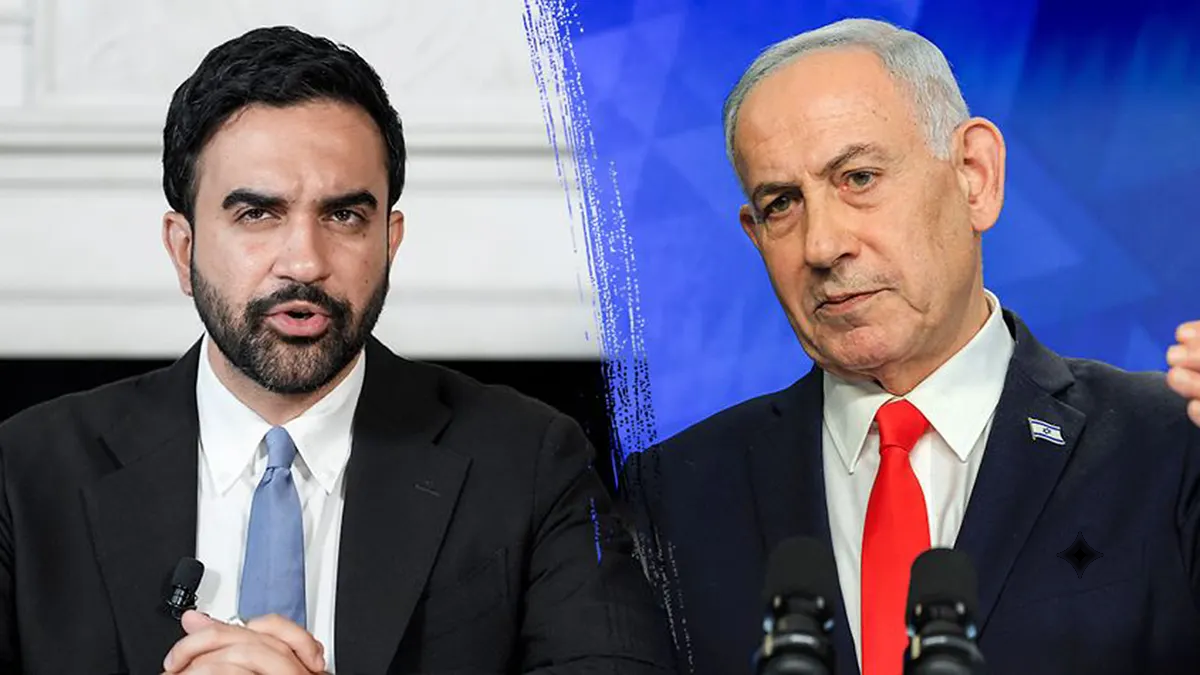
The speech has become one of Mamdani’s most discussed public statements. It combines legal, humanitarian, and political arguments into a single message.
Rather than focusing only on foreign policy, Mamdani linked the issue to New York City’s identity. He also connected it to America’s global responsibilities and broader principles of justice.
Supporters believe the call for Netanyahu’s arrest strengthen Mamdani’s reputation as a leader who supports international law. Critics continue to question both his position and its possible consequences.
As debate over Gaza and international accountability continues, the speech is likely to remain part of the broader public conversation.
Final Thoughts
Zohran Mamdani’s call for Netanyahu’s arrest represent one of the strongest public endorsements by a prominent American political figure of pursuing accountability through international legal institutions.
By supporting the ICC’s arrest warrant, acknowledging New York City’s legal limits, and urging federal cooperation, Mamdani presented a vision centered on accountability, human rights, and international law.
Supporters describe the speech as principled leadership during a period of global debate. Others disagree with his conclusions or question the legal and political implications. Regardless of opinion, the speech has become an important contribution to discussions about international justice, civilian protection, and government responsibility.
As scrutiny of the Gaza conflict continues, Mamdani’s remarks reinforce his belief that lasting peace requires diplomacy as well as accountability under the rule of law.