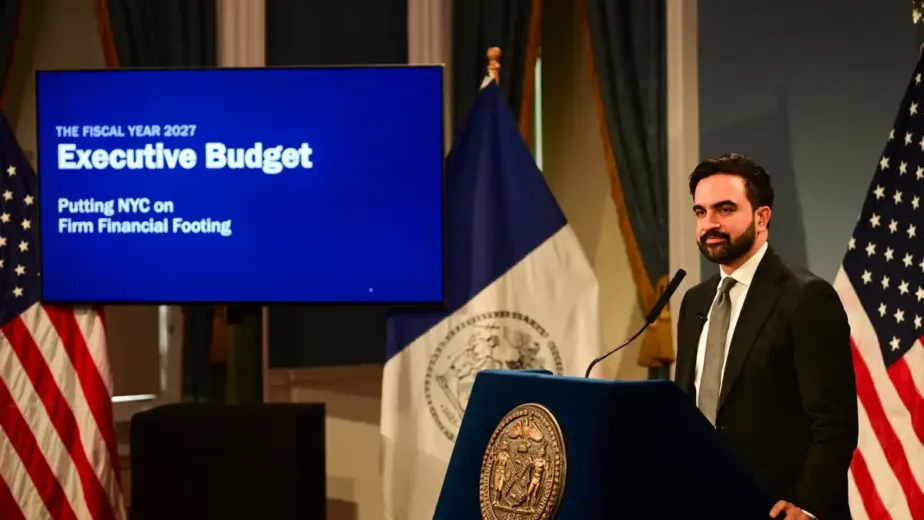
The Zohran Mamdani childcare plan is now a very hot topic in New York City. The childcare plan focuses on reforming how families receive support across the city. The proposal includes a $1.2 billion initiative designed to make childcare more affordable and accessible. Families would gain access to quality early education programs, and the policy would significantly reduce childcare costs. Because of this, many parents could gain far more stability in their daily lives.
Beyond that, the plan centers on justice and equal opportunity. It promotes healthy child development and expands workforce participation. Today, more experts view childcare as a public service rather than a private burden. That is why the Mamdani childcare plan has attracted widespread attention. Other cities are also closely observing similar childcare reforms, including global research from OECD Family Policy and Childcare Studies.
Why the Zohran Mamdani Childcare Plan Highlights a Crisis in Modern Cities
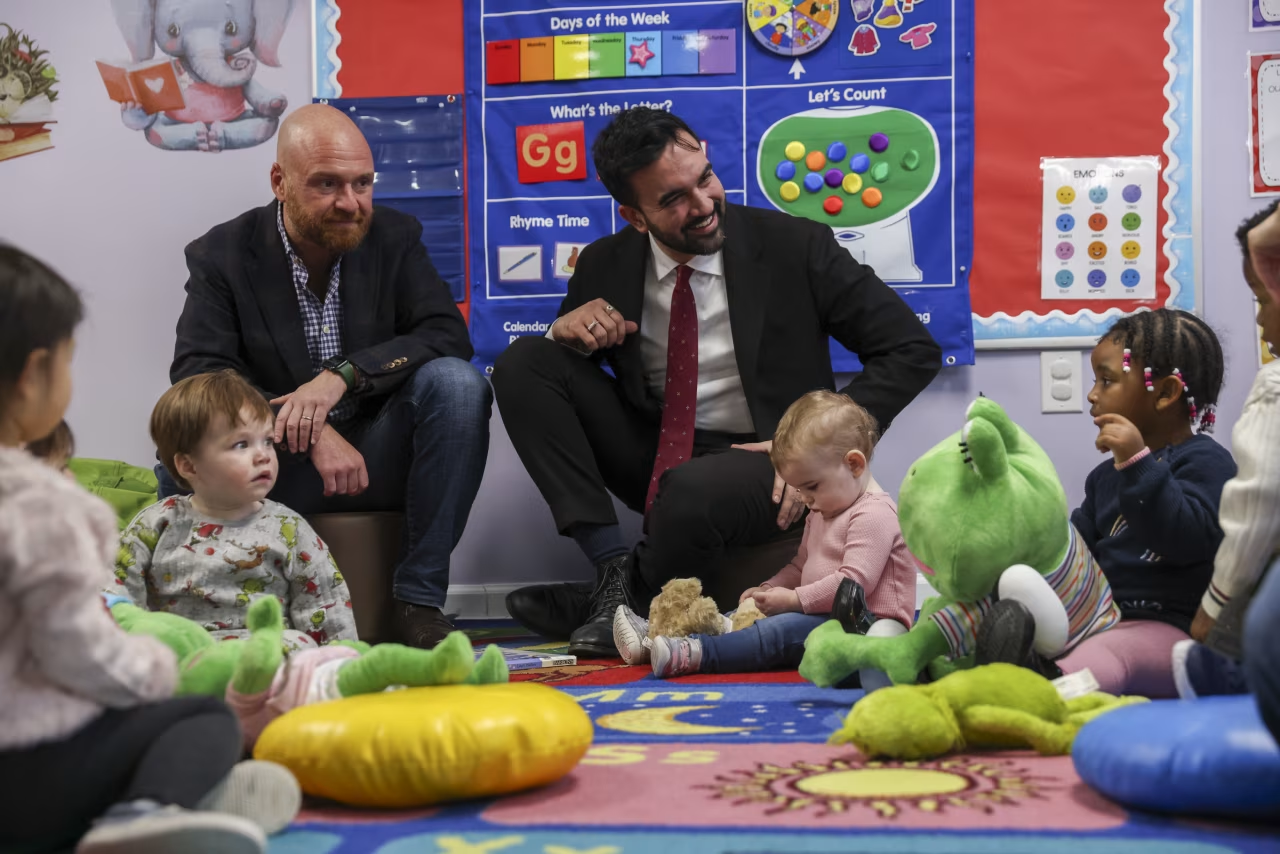
Childcare creates a major financial burden for many families. In New York City, prices continue to rise. Some families now spend up to $20,000 per year per child. Such high costs force difficult decisions. Parents often juggle full-time work and caregiving responsibilities at the same time.
Mothers, in particular, often carry a heavier share of childcare responsibilities. High childcare costs frequently slow career growth for many parents. Some reduce working hours, while others leave their jobs completely. As a result, accessible childcare remains a top policy concern in the Zohran Mamdani childcare plan debate.
The Real Cost of Childcare in NYC Under the Zohran Mamdani Childcare Plan Debate
New York City continues to face extremely high childcare costs. Many families struggle to afford them. Infant care often costs more than college tuition. Preschool fees take up a large portion of household income. Single-parent families face even greater challenges. Many families also rely on unstable childcare arrangements.
Because of this, financial stress continues to rise. Parents often cut working hours, and some leave their jobs entirely. Others struggle financially even while working full-time. The Zohran Mamdani childcare plan directly targets this issue by addressing the largest expense most families face, as reflected in research from U.S. Department of Health and Human Services Childcare Data.
What Zohran Mamdani’s Childcare Plan Aims to Achieve
The Mamdani childcare plan aims to build a citywide childcare system in New York City. The initiative could reach approximately 100,000 children.
1. Expanding Access for All Families in the Zohran Mamdani Childcare Plan
Currently, programs often target families based on income levels. In contrast, the Zohran Mamdani childcare plan would open access to all families. Every child would receive the opportunity to attend quality preschool.
2. Reducing Financial Pressure Through the Zohran Mamdani Childcare Plan
Parents often spend more than $20,000 per year on childcare. This initiative would significantly reduce those costs. Families could redirect money toward housing and healthcare needs. They would also find it easier to manage food and savings.
3. Promoting Early Childhood Development in the Mamdani Childcare Plan
Studies show that early education delivers long-term benefits. Children develop stronger learning skills at an early stage. Their emotional growth improves as well. Over time, academic performance also improves steadily, as supported by early education research from UNICEF Early Childhood Development Program.
4. Building a Stronger Workforce Through the Childcare Plan
Affordable childcare allows parents to remain in the workforce. Research shows that workforce participation increases when childcare becomes accessible. Women benefit especially from reliable childcare support. As a result, overall economic productivity improves.
Why the Zohran Mamdani Childcare Plan Is an Economic Investment, Not an Expense
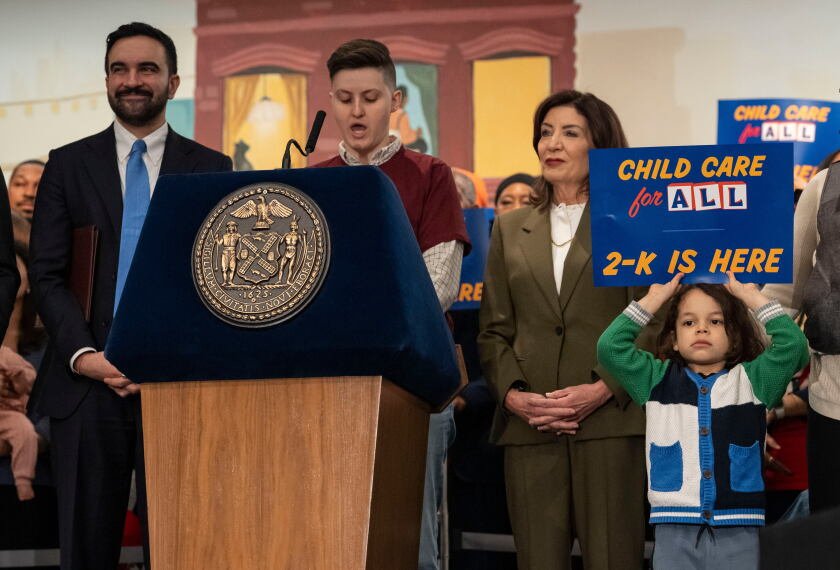
Critics often focus on program costs, while supporters emphasize long-term economic returns. Research consistently shows that universal childcare programs generate positive outcomes over time, as reflected in global policy studies from World Bank Early Childhood Development Reports.
More Parents in the Workforce Under the Zohran Mamdani Childcare Plan
Reliable childcare allows parents to work more consistently. It also helps them pursue better job opportunities.
Higher Tax Revenue Through the Zohran Mamdani Childcare Plan
More employment leads to higher wages. Higher wages generate increased tax revenue. This additional revenue helps offset program costs.
Lower Social Costs in the Future
Early education improves long-term life outcomes. As a result, governments spend less on social welfare programs. Education systems also face reduced long-term pressure.
Therefore, the childcare plan functions not only as a social policy but also as essential economic infrastructure.
The Social Impact: Equality and Opportunity in the Zohran Mamdani Childcare Plan
Childcare access often depends on family income. Wealthier families enjoy more options, while lower-income families face limited choices.
The plan could help reduce this gap. It would give children more equal opportunities. It may also improve fairness in the labor market.
In addition, the proposal supports working-class families. Immigrant communities would also benefit. Strong childcare systems often strengthen neighborhood stability.
These issues matter greatly in New York City, where income inequality remains highly visible across different neighborhoods.
Why Support for the Zohran Mamdani Childcare Plan Is Growing
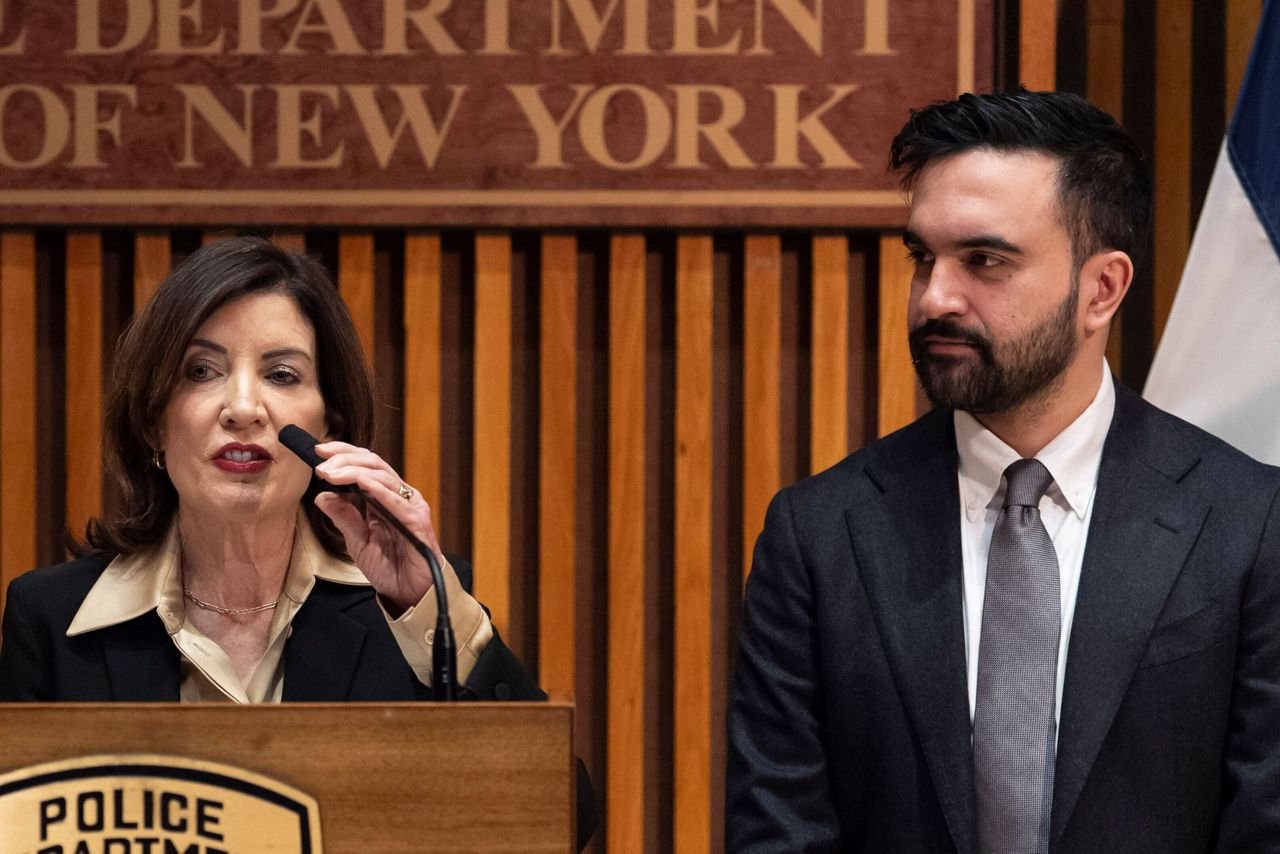
Support for the childcare plan continues to increase for several reasons.
1. Living Cost Pressure and the Zohran Mamdani Childcare Plan
New York City residents face high living expenses. Childcare costs rise faster than income growth in many cases.
2. Workforce Changes Post-Pandemic in the Mamdani Childcare Plan
Many parents lost or left jobs during the pandemic due to childcare challenges. Some workers have still not returned to the workforce.
3. Successful Examples from Other Cities Supporting Similar Plans
Cities with universal childcare show positive results. Employment rates increase, and children perform better academically, supported by global comparisons from OECD Childcare Policy Evidence.
4. Easy to Understand Policy of the Zohran Mamdani Childcare Plan
The plan offers a simple and direct solution. Families can access support without complex procedures. This simplicity makes the program more practical.
Addressing Common Concerns About the Zohran Mamdani Childcare Plan
Major policies always face scrutiny. The childcare plan also raises several concerns.
Funding Sustainability
The program requires a $1.2 billion investment. Supporters argue that long-term economic gains will outweigh costs. Increased tax revenue can also help fund the system.
Quality Assurance
Expanding access alone is not enough. Authorities must maintain strong quality standards. They must also train and support educators properly. Above all, child safety must remain the top priority.
Capacity Challenges
Serving 100,000 children requires strong infrastructure. The city must build additional facilities and hire more staff. However, many experts believe these challenges remain manageable.
The Bigger Picture: Childcare as Infrastructure in the Zohran Mamdani Childcare Plan
Cities rely on multiple forms of infrastructure. Transportation systems help people move, housing provides stability, and healthcare protects public well-being.
Today, experts increasingly treat childcare as essential infrastructure. That is why the childcare plan aligns with a major policy shift.
By linking family support with economic development, this model removes the separation between social welfare and economic growth.
A Policy That Could Reshape NYC’s Future
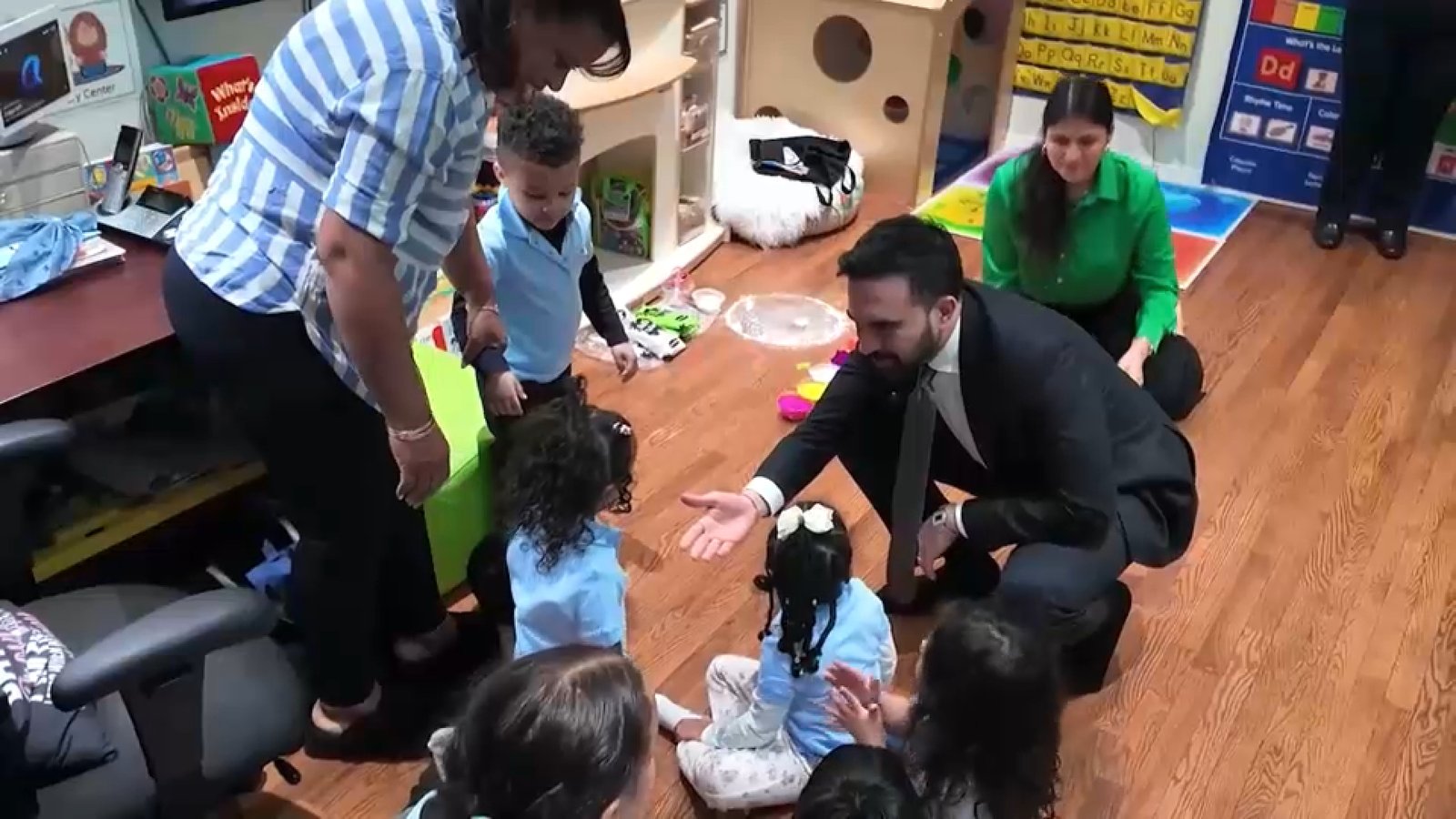
The plan is not just a headline. It offers a practical solution for working families. If the city successfully supports 100,000 children, families would experience major financial relief.
The program would also encourage higher workforce participation. Child development outcomes would improve as well. Economic inequality could decrease slightly over time. Families would likely experience stronger financial stability.
Of course, discussions about funding and implementation will continue. However, the core idea remains powerful. No family should have to choose between financial security and quality childcare.
In fact, the Zohran Mamdani childcare plan represents a forward-looking vision for New York City’s future. It promotes fairness, opportunity, and long-term economic resilience.