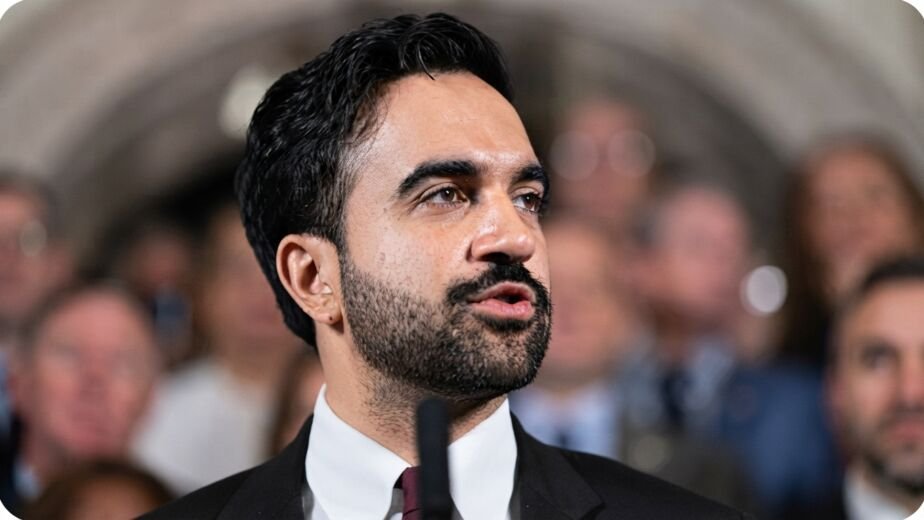
For months, critics dismissed New York City Mayor Zohran Mamdani’s call for Israeli Prime Minister Benjamin Netanyahu’s arrest as political theater. They argued it was too radical, too divisive, and far outside the American mainstream. The Netanyahu Poll, however, paints a different picture. The latest national survey suggests that a growing number of Americans believe leaders should face legal scrutiny when credible international allegations arise, regardless of political alliances.
The Netanyahu Poll Shows Public Opinion Is Changing
A recent Economist/YouGov survey offers fresh insight into American attitudes toward the issue. Nearly half of Americans—49%—say the United States should arrest Netanyahu if he enters the country under the International Criminal Court (ICC) warrant. About 27% oppose such an arrest, while the remaining respondents remain unsure.
These findings suggest that Mamdani’s position no longer sits on the political fringe. Instead, The Netanyahu Poll indicates that many Americans increasingly support accountability, even when it involves leaders from allied nations.
The Netanyahu Survey Reflects the ICC Debate

In November 2024, the International Criminal Court issued arrest warrants for Benjamin Netanyahu on allegations of war crimes and crimes against humanity related to Israel’s military campaign in Gaza. Netanyahu rejects those allegations, and the United States does not recognize the ICC’s jurisdiction.
Even so, the warrant has reshaped the global discussion.
The debate now extends beyond politics. It asks whether international law should apply equally to every leader or whether powerful allies deserve different treatment.
That question remains central to Mamdani’s argument and continues to influence discussions surrounding The Netanyahu Poll.
The Netanyahu Poll Mirrors Mamdani’s Position
Before Netanyahu’s expected visit to New York for the United Nations General Assembly, Mamdani said city officials examined whether New York could enforce the ICC warrant.
After concluding that no legal pathway existed for the city to take such action, he argued that the federal government—not City Hall—would have to decide whether to act.
Some critics described that statement as a retreat.
Others viewed it differently. Mamdani acknowledged the legal limits facing local officials while continuing to argue that governments should seriously consider international arrest warrants instead of dismissing them for political convenience.
Netanyahu Opinion Poll Raises Questions About Equal Accountability

One of the strongest arguments supporting Mamdani centers on consistency.
The international community frequently demands accountability when leaders from countries outside America’s closest alliances face allegations of serious crimes. Governments often support sanctions, investigations, and prosecutions to reinforce international legal standards.
If those principles matter, they should apply consistently.
Supporting accountability does not mean declaring someone guilty. Courts exist to examine evidence, hear legal arguments, and determine responsibility through due process.
If international law is to maintain credibility, it must avoid selective enforcement.
The Netanyahu Poll Reveals Shifting American Attitudes
The latest findings from The Netanyahu Poll highlight how American public opinion continues to evolve.
Nearly half of respondents support arresting Netanyahu under the ICC warrant, while just over one-quarter oppose it. Among Democrats, support rises to roughly 68%, whereas Republicans remain largely opposed.
These numbers reveal political divisions, but they also point to another trend. Many Americans increasingly distinguish between supporting Israel as a country and evaluating the decisions of its government.
That distinction has become an important part of today’s public conversation.
Justice Should Stand Above Politics
Opponents argue that enforcing the ICC warrant could strain diplomatic relations and weaken America’s alliance with Israel.
Those concerns deserve careful consideration.
However, history shows that accountability for alleged war crimes often requires governments to make difficult political choices. If leaders abandon legal principles whenever they become inconvenient, those principles lose much of their credibility.
Mamdani argues that international law should not depend on political influence, military partnerships, or diplomatic leverage.
The Netanyahu Survey Highlights the Human Cost
Behind every legal debate stand real people.
The war in Gaza has caused immense suffering, widespread destruction, and significant civilian casualties. Families on all sides have experienced profound loss.
Calls for legal accountability seek to recognize that civilian lives matter and that independent courts should examine serious allegations fairly.
Supporting investigations does not diminish the suffering of Israeli victims or Palestinian victims. Instead, it reinforces the idea that justice should remain available to everyone regardless of nationality.
Why The Poll Matters

The Netanyahu Poll does not determine guilt, nor does it replace judicial proceedings.
Still, democratic governments often say they represent the views of their citizens. When nearly half of Americans support acting on an international arrest warrant, policymakers can no longer dismiss accountability as a politically impossible position.
The conversation has changed.
An issue that once appeared politically untouchable has entered mainstream public debate.
The Bottom Line
Zohran Mamdani’s position has drawn intense criticism, yet The Netanyahu Poll suggests that many Americans agree with his broader principle: international law should not create exceptions for powerful leaders.
Whether the United States ultimately enforces the ICC warrant remains uncertain. The country does not recognize the ICC, and legal questions surrounding United Nations visits create additional challenges.
Even so, the broader issue extends beyond one visit or one political figure.
It asks whether justice should apply consistently or selectively.
If accountability truly matters, then every leader should remain subject to legal scrutiny regardless of political influence or international alliances.